AcuMed Clinic · Sarasota, FL
Neuropathy in the Feet Treatment in Sarasota, FL
Burning, tingling, or numbness in your feet — evidence-informed, drug-free neuropathy care in Sarasota.
Neuropathy in the feet can change the way you move through the world. At first, it may be subtle — a little tingling in your toes, a strange numb patch under the ball of your foot, a burning sensation at night, or a feeling like your socks are bunched up even when they are not. Then it starts affecting your life. You think twice before walking barefoot on the lanai. You become more cautious stepping onto the sand at Lido Beach. You avoid uneven sidewalks downtown. At AcuMed Clinic in Sarasota, we help patients with neuropathy in the feet using an evidence-informed, drug-free, non-surgical approach.
Written and reviewed by Dr. Katrina Chojnicki-Hill, DAOM, AP — Licensed Acupuncture Physician, Sarasota, FL
When Your Feet Stop Feeling Like Your Feet
At first, it may be subtle. A little tingling in your toes. A strange numb patch under the ball of your foot. A burning sensation at night. A feeling like your socks are bunched up even when they are not.
Then it starts affecting your life. You think twice before walking barefoot on the lanai. You become more cautious stepping onto the sand at Lido Beach. You avoid uneven sidewalks downtown. You skip a longer walk through Bayfront Park because you are not fully confident where your feet are landing. You may still be active, but you are moving with more calculation and less freedom.
At AcuMed Clinic in Sarasota, we help patients with neuropathy in the feet using an evidence-informed, drug-free, non-surgical approach. Care may include acupuncture, laser therapy, bio-electric medicine, manual therapies, lifestyle review, and coordination with your existing medical team when appropriate.
The goal is not to pretend neuropathy is simple. It is not. The goal is to evaluate the pattern, reduce symptom burden where possible, protect function, and help you stay safer and more confident on your feet.
What Is Neuropathy in the Feet?
Neuropathy means damage or dysfunction in the nerves. When it affects the feet, it usually involves the peripheral nerves — the nerves outside the brain and spinal cord that carry sensation, pain, temperature, vibration, pressure, and movement-related information.
Peripheral neuropathy often begins in the feet because the nerves traveling to the toes are among the longest nerves in the body. Longer nerves are more vulnerable to metabolic stress, circulation problems, inflammation, toxic exposure, and age-related decline.
This is why neuropathy often follows a stocking-and-glove pattern. Symptoms begin in the toes and feet, then may gradually move upward. In more advanced cases, the hands may become involved as well.
Common Symptoms of Neuropathy in the Feet
Neuropathy symptoms are not the same for every patient. Some people have pain. Some have numbness. Many have both.
Common symptoms include tingling in the toes or feet, burning pain especially at night, numbness or reduced sensation, electric or stabbing sensations, cold or hot feelings without an obvious cause, the sensation that socks are bunched up under the foot, sensitivity to light touch or bedsheets, foot cramping, poor balance, unsteadiness on uneven ground, difficulty feeling cuts or blisters or shoe pressure, and symptoms that worsen after activity or at night.
Numbness is not necessarily better than pain. In some cases, numbness means the nerves are failing to send protective signals. That can increase the risk of unnoticed wounds, falls, and foot complications.
Why Neuropathy Often Starts in the Feet
Neuropathy often affects the feet first because the longest nerves are usually the first to show dysfunction.
Think of the nerve as a long electrical cable with a blood supply and repair system. The farther the nerve travels, the harder it is to maintain. If the nerve's environment is damaged by high blood sugar, inflammation, chemotherapy exposure, alcohol use, vitamin deficiency, or poor circulation, the farthest parts of the nerve often suffer first.
That is why early symptoms often show up in the toes before they appear elsewhere.
Common Causes of Neuropathy in the Feet
Neuropathy is not one single disease. It is a category of nerve dysfunction with many possible causes.
Common causes include diabetes or prediabetes, chemotherapy-induced peripheral neuropathy, vitamin B12 deficiency, alcohol-related nerve damage, thyroid disease, autoimmune disease, kidney disease, medication-related nerve irritation, spinal or nerve compression, prior injury or surgery, and idiopathic neuropathy where no clear cause is found.
In Sarasota and Manatee County, neuropathy is especially relevant because of the large older-adult population. Many local patients are active retirees who want to keep walking, biking, boating, traveling, gardening, golfing, playing pickleball, and staying independent. Neuropathy threatens those goals because foot sensation is not just about comfort — it is about safety and mobility.
Why Medication Alone Often Falls Short
Medication can help some patients with neuropathy pain. Common prescriptions may include gabapentin, pregabalin, certain antidepressants, topical lidocaine, or capsaicin.
These medications have a legitimate role for some people. But there are limits. Most neuropathy medications primarily change how pain signals are processed. They do not necessarily restore nerve health, improve nerve blood flow, reverse numbness, or address the underlying cause of nerve damage.
Some patients also struggle with side effects such as dizziness, fatigue, cognitive fog, or balance concerns. For older adults already worried about falling, that matters.
This is why many patients look for drug-free options that can work alongside their medical care.
How AcuMed Clinic Approaches Neuropathy in the Feet
At AcuMed Clinic, we do not treat neuropathy as a vague complaint. We look for the pattern.
We evaluate where symptoms are located, whether symptoms are painful or numb or both, whether symptoms are symmetrical, whether diabetes or chemotherapy or B12 deficiency or another condition may be involved, whether balance is affected, whether symptoms are progressing, sleep disruption from burning or electric pain, foot safety and wound risk, current medications, and red flags that require medical referral.
A good neuropathy plan should be practical. It should ask: are you sleeping better, walking more confidently, noticing less burning, feeling the ground more clearly, and staying safer on your feet?
How Acupuncture May Help Neuropathy in the Feet
Acupuncture may support some patients with peripheral neuropathy by helping modulate pain signaling, improve local circulation, reduce nervous system irritability, and support the body's response to nerve-related dysfunction.
That does not mean acupuncture cures neuropathy. That claim would be irresponsible. The better clinical question is: can acupuncture help reduce symptoms and improve function enough to matter in daily life?
A 2017 systematic review and meta-analysis published in the Journal of Alternative and Complementary Medicine found that acupuncture appeared beneficial in some peripheral neuropathies, including diabetic neuropathy (Dimitrova et al., 2017).
A 2024 systematic review and meta-analysis on acupuncture for painful diabetic peripheral neuropathy reported that acupuncture may improve pain and clinical outcomes (Wang et al., 2024).
A 2024 review in Frontiers in Neurology concluded that acupuncture has potential as a treatment option for diabetic peripheral neuropathy and may improve symptoms and nerve conduction outcomes (Ge et al., 2024).
The honest takeaway: acupuncture is not a miracle treatment, but it is a reasonable evidence-informed option for some patients with neuropathy in the feet, particularly when combined with medical management, blood sugar control when relevant, nutrition evaluation, movement, foot safety, and other supportive therapies.
How Massage Therapy May Support Neuropathy in the Feet
Massage therapy is not a standalone cure for neuropathy, but it can play a meaningful supportive role when integrated into a broader treatment plan.
One of the primary challenges in peripheral neuropathy is poor microcirculation — the small blood vessels that supply the peripheral nerves become compromised, which impairs nerve health over time. Manual massage applied to the feet and lower legs can stimulate local blood flow, helping deliver oxygen and nutrients to nerve tissue that has been deprived of adequate circulation. This is particularly relevant for patients with diabetic neuropathy, where vascular compromise is a core part of the disease process.
Therapeutic massage also works on the nervous system more directly. Sensory stimulation from massage engages large-diameter nerve fibers — the same fibers involved in touch and pressure sensation. This stimulation can modulate pain signaling at the spinal cord level, reducing the perception of burning and electric pain through mechanisms consistent with the gate control theory of pain. For patients with hypersensitivity — where even light touch feels painful — gradual, skilled manual contact can help desensitize overactive nerve responses over time.
For patients dealing with muscle cramping, stiffness, or neuromuscular tension alongside their neuropathy, massage addresses the muscular component that medication and acupuncture may not fully reach. Feet and lower legs affected by neuropathy are often also affected by reduced proprioception, altered gait, and compensatory muscle strain from walking more cautiously to feel safer. Manual therapy can reduce that secondary tension and support better movement mechanics.
At AcuMed Clinic, massage for neuropathy is applied with awareness of foot sensitivity — approach and pressure are adjusted based on whether the patient's primary complaint is burning pain, numbness, or both. The goal is not simply relaxation. It is improving circulation to nerve tissue, reducing symptom burden, and supporting the broader care plan.
What Treatment May Include
Your neuropathy care plan at AcuMed Clinic may include acupuncture, laser therapy, bio-electric medicine, manual therapy, neuromuscular therapy, foot and ankle mobility support, balance and safety recommendations, lifestyle and activity review, and coordination with your primary care physician, neurologist, endocrinologist, oncologist, or podiatrist when appropriate.
The treatment plan depends on the cause of neuropathy, symptom severity, medical history, and whether your primary issue is pain, numbness, balance, or loss of function.
Diabetic Neuropathy in the Feet
Diabetic peripheral neuropathy is one of the most common causes of neuropathy in the feet. High blood sugar can damage small blood vessels that supply the nerves. Over time, this can impair nerve function and lead to burning, tingling, numbness, and reduced protective sensation.
If you have diabetes or prediabetes, neuropathy care should never ignore blood sugar management. Acupuncture and drug-free therapies may support symptom relief alongside your medical plan.
For diabetic neuropathy, the priorities include blood sugar control, regular foot inspection, proper footwear, wound prevention, fall-risk reduction, pain and symptom management, and maintaining walking ability and independence.
If you have diabetes and numbness in your feet, you should inspect your feet regularly and work with your medical team to reduce the risk of ulcers and complications.
Chemotherapy-Induced Neuropathy
Some patients develop neuropathy after cancer treatment. Chemotherapy-induced peripheral neuropathy can cause burning, tingling, numbness, sensitivity, weakness, and balance problems.
This type of neuropathy may persist long after chemotherapy ends. Patients are often told to wait and see, but waiting without a plan can be frustrating and demoralizing.
At AcuMed Clinic, we support chemotherapy-induced neuropathy patients with acupuncture, ultrasound therapy, and manual therapy as part of a broader survivorship plan. Care should be coordinated with the patient's oncology team when appropriate.
Idiopathic Neuropathy
Idiopathic neuropathy means no clear cause has been identified. This can be frustrating for patients because the symptoms are real, but the explanation is incomplete.
In these cases, it is still important to evaluate common contributors such as B12 deficiency, blood sugar issues, thyroid function, medication history, alcohol use, autoimmune disease, pharmaceutical side effects, and spinal or nerve compression.
When the cause remains unclear, treatment goals may focus on symptom reduction, function, balance, sleep, and slowing decline where possible.
Acupuncture physicians may also work within a biological framework that addresses how acupuncture influences pain, inflammation, healing, and systemic regulation — including the interstitium, sometimes called the third circulatory system and known in Oriental medicine as the San Jiao or Triple Burner. This organ system is understood to regulate fluid transport, harmonize organ function, and help maintain homeostasis.
Neuropathy, Balance, and Fall Risk
Foot sensation is a major part of balance. Your feet constantly send information to your brain about pressure, position, texture, and ground surface. When those signals are damaged, you may become less steady — especially on sand, wet pavement, grass, tile floors, stairs, or uneven sidewalks.
For active Sarasota adults, this is not a small issue. Neuropathy can make someone less confident walking on the beach, attending outdoor markets, stepping onto a boat, or walking after dark.
Reducing neuropathy symptoms is important. Protecting independence is just as important.
When to Seek Medical Care
You should seek medical evaluation if you have new, worsening, or unexplained neuropathy symptoms.
Prompt medical care is especially important if you have new weakness in the foot or leg, sudden numbness, rapidly worsening symptoms, loss of bladder or bowel control, severe back pain with leg weakness, open wounds, ulcers, or infection, diabetes with reduced foot sensation, unexplained weight loss, neuropathy after chemotherapy, or symptoms affecting only one side of the body.
Acupuncture and supportive therapies may be appropriate for many neuropathy patients, but they are not a replacement for diagnosis, lab work, imaging, diabetes care, oncology follow-up, or neurological evaluation when indicated.
Living Better With Neuropathy in Sarasota
Neuropathy in the feet can make life smaller. You may walk less because you are unsure of your footing. You may avoid the beach because sand feels unstable. You may stop going barefoot around the house. You may wake up at night because your feet burn. You may become more dependent on shoes, railings, lights, and routines to feel safe.
That is not just discomfort. That is a loss of freedom.
The earlier neuropathy is evaluated, the more options you usually have. Advanced nerve damage is harder to change, but even then, care may help reduce pain, improve confidence, and support safer movement.
References
Dimitrova A, Murchison C, Oken B. Acupuncture for the Treatment of Peripheral Neuropathy: A Systematic Review and Meta-Analysis. Journal of Alternative and Complementary Medicine. 2017;23(3):164-179.
Wang C, Fan Y, Liang G, Wang Q, Gao H, Duan J. Acupuncture for the Treatment of Painful Diabetic Peripheral Neuropathy: A Systematic Review and Meta-analysis. Complementary Therapies in Clinical Practice. 2024;56:101889.
Ge R, Liu R, He M, Wu J, Zhang F, Huang C. The Efficacy of Acupuncture for Diabetic Peripheral Neuropathy: A Systematic Review and Meta-analysis of Randomized Controlled Trials. Frontiers in Neurology. 2024;15:1500709.
Common Questions
Frequently Asked Questions
Conditions We Treat
How We Help
Insurance
BCBS, UHC, and VA Community Care accepted. Medicare enrollment in progress. Note: Medicare currently covers acupuncture for qualifying chronic low back pain, not peripheral neuropathy. Coverage rules can change; verify benefits with your plan.
Our Approach
Whole-Person Integrative Medicine
Every condition at AcuMed Clinic is treated within a fully integrated model — PA-led medical evaluations, Medical Director oversight, and natural medicine working together.
Learn about our model →
Insurance & Coverage
Many patients are surprised to learn their insurance covers care at AcuMed Clinic.
Medicare coverage details →VA Community Care →Ready to get started?
Opening on September 28, 2026 in Sarasota, FL. Book now to secure your spot as a Founding Patient.
Book an AppointmentCall (941) 250-6911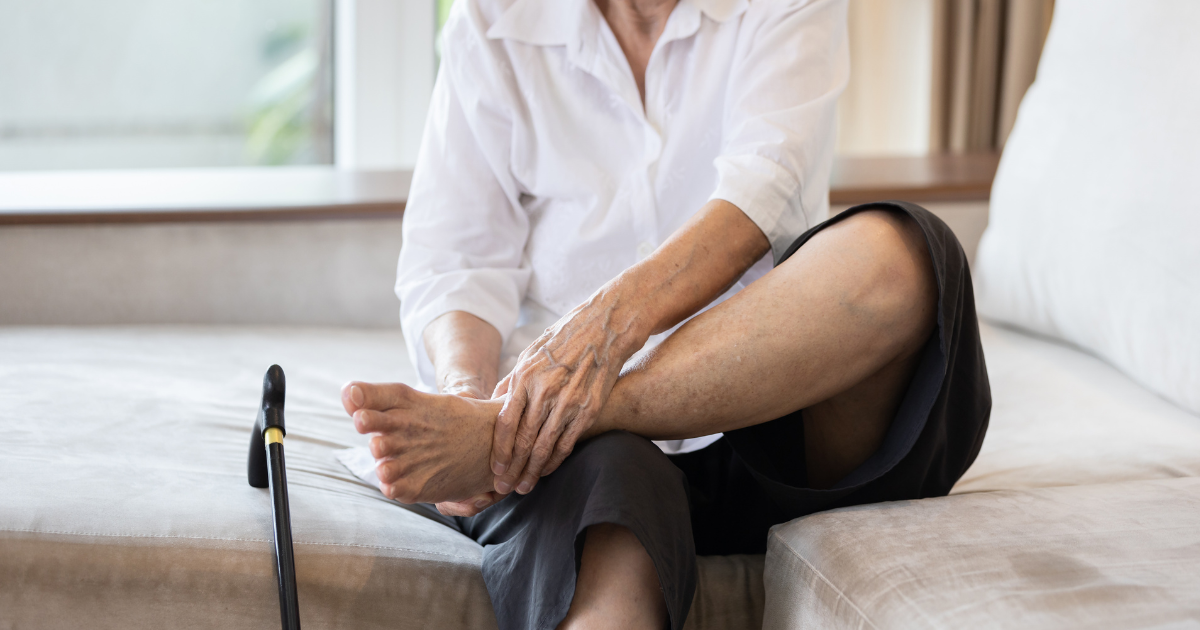
Other Areas We Treat