Massage Therapy
Clinical massage for pain relief, recovery, stress regulation, and better movement in Sarasota, FL.

Written by
Dr. Katrina Chojnicki-Hill, DAOM, AP, Dipl. OMLicensed Acupuncture Physician · AcuMed Clinic, Sarasota, FL
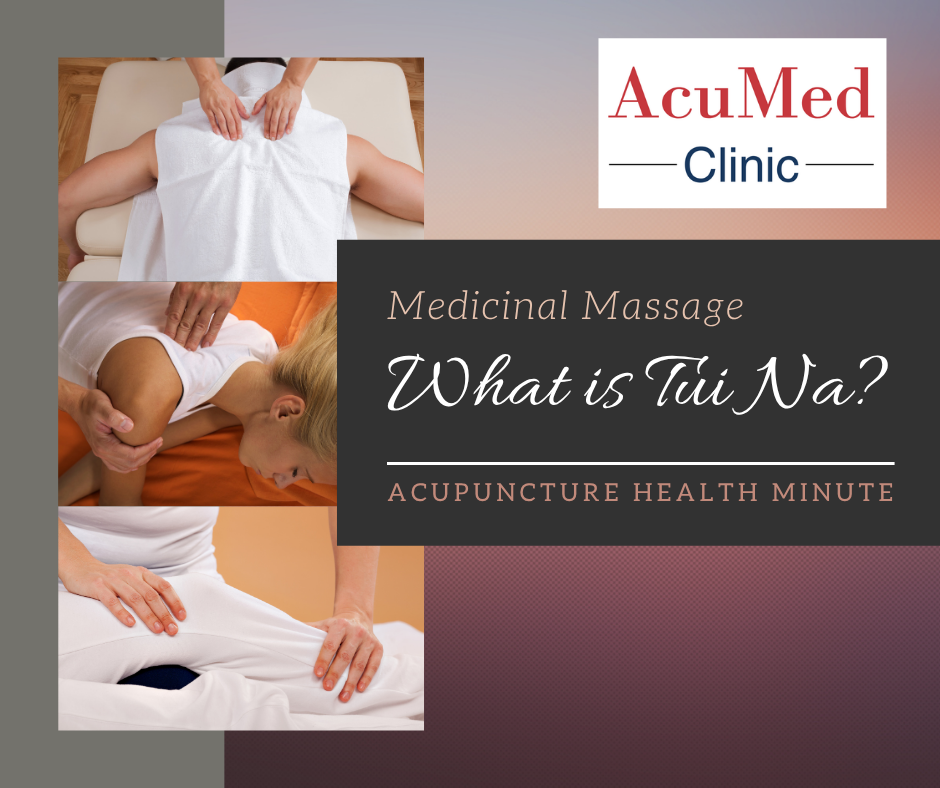
Massage therapy is one of the most familiar treatments in healthcare, but it is also one of the most misunderstood. At AcuMed Clinic in Sarasota, we do not treat massage as a spa luxury or a temporary escape from pain. We use massage therapy as clinical soft tissue care — a hands-on treatment designed to reduce muscle tension, improve mobility, calm the nervous system, support circulation, and help patients recover more effectively. At AcuMed, massage may include neuromuscular massage, deep tissue massage, myofascial release, trigger point work, relaxation-focused massage, or focused soft tissue therapy depending on your condition, sensitivity, and goals. This is clinical massage inside an integrative care plan.
Why Massage Therapy Matters
Muscles do more than move the body. They protect joints, support posture, influence circulation, affect nerve sensitivity, and respond directly to stress. When pain becomes chronic, muscles often tighten to protect the area. That protection may be useful at first, but over time it can become part of the problem.
A common cycle looks like this: pain begins, movement becomes guarded, muscles tighten, fascia becomes restricted, circulation decreases, the nervous system becomes more sensitive, sleep and recovery decline, and pain becomes easier to trigger. Massage therapy may help break that cycle by reducing soft tissue tension, improving local circulation, decreasing protective guarding, supporting relaxation, and helping the body tolerate movement again.
This is why massage belongs in integrative medicine. It is not just about relaxation. It is about restoring communication between the muscular system, connective tissue, circulation, and nervous system.
How Massage Therapy Works Physiologically
Tight muscles can create pain, stiffness, headaches, joint stress, and altered movement. Massage may help reduce muscle tone, release areas of guarding, and improve comfort with movement. Fascia — the connective tissue that surrounds and supports muscles, joints, nerves, and organs — can become restricted from injury, posture, surgery, inflammation, or chronic tension. Myofascial techniques may help improve tissue glide and mobility.
Massage may also support blood flow and lymphatic movement in treated areas. Better circulation can help deliver oxygen and nutrients while supporting the removal of metabolic waste products from tissues. Pain is not only a tissue problem — it is also a nervous system experience. Massage may help reduce pain sensitivity by calming the nervous system, decreasing muscle guarding, and changing sensory input from painful tissues.
Stress changes the body: it increases muscle tension, disrupts sleep, alters breathing, worsens pain sensitivity, and slows recovery. Massage may help shift the body toward a more relaxed parasympathetic state, supporting better sleep, mood, and recovery.
Neuromuscular Massage Therapy
Neuromuscular massage therapy is focused, specific, and clinical. It is used to identify and treat trigger points, muscle imbalances, nerve irritation patterns, and referred pain. Trigger points are irritated areas in muscle tissue that may cause local tenderness or refer pain elsewhere. For example, trigger points in the neck and upper shoulders may contribute to headaches. Trigger points in the gluteal muscles may contribute to hip or sciatic-like symptoms. Jaw, neck, and upper back tension may contribute to TMJ-related discomfort.
During neuromuscular massage, the therapist uses slow, controlled pressure to specific areas of dysfunction. The goal is not to force the tissue into submission — it is to reduce guarding, improve circulation, calm irritated tissue, and restore more normal function.
Neuromuscular massage may be appropriate for chronic neck pain, upper back tension, low back pain, headaches, shoulder pain, hip pain, sciatic-like muscle tension, TMJ-related muscle tightness, repetitive strain injuries, postural pain, muscle spasms, and trigger point pain.
Deep Tissue Massage Therapy
Deep tissue massage uses slower, firmer pressure to address deeper layers of muscle and connective tissue. It may be helpful for patients with chronic muscle tightness, dense tissue restriction, athletic overuse, or long-standing postural strain. But deep tissue does not mean "as hard as possible." Effective deep tissue massage requires precision, communication, and judgment. Too much pressure can irritate nerves, increase soreness, or cause the body to guard more aggressively. The right pressure should feel productive, not punishing.
At AcuMed, pressure is adjusted to the patient. The therapist does not force the patient to tolerate the technique. Deep tissue massage may support chronic back tension, neck and shoulder tightness, hip and glute tightness, leg tension, sports recovery, repetitive strain, muscle stiffness, reduced flexibility, and postural compensation.
Myofascial Release
Myofascial release focuses on fascia — the connective tissue network that surrounds muscles, joints, nerves, and other structures. When fascia becomes restricted, the body may feel stiff, compressed, or limited. Patients often describe this as tightness that stretching does not fix.
Myofascial release uses slow, sustained pressure and gentle tissue engagement to help restricted areas soften and move more freely. It may be less forceful than deep tissue massage, but it can still feel intense when restricted tissue is addressed. Myofascial release may be useful for patients who feel stiff rather than simply sore, restricted with certain movements, pulled forward by posture, limited after injury or surgery, or sensitive to aggressive pressure.
At AcuMed, myofascial release may be used for neck and shoulder restriction, low back stiffness, hip tightness, postural tension, scar tissue, TMJ-related tightness, plantar fascia tension, chronic muscle guarding, and fibromyalgia-like sensitivity.
Massage for Back Pain
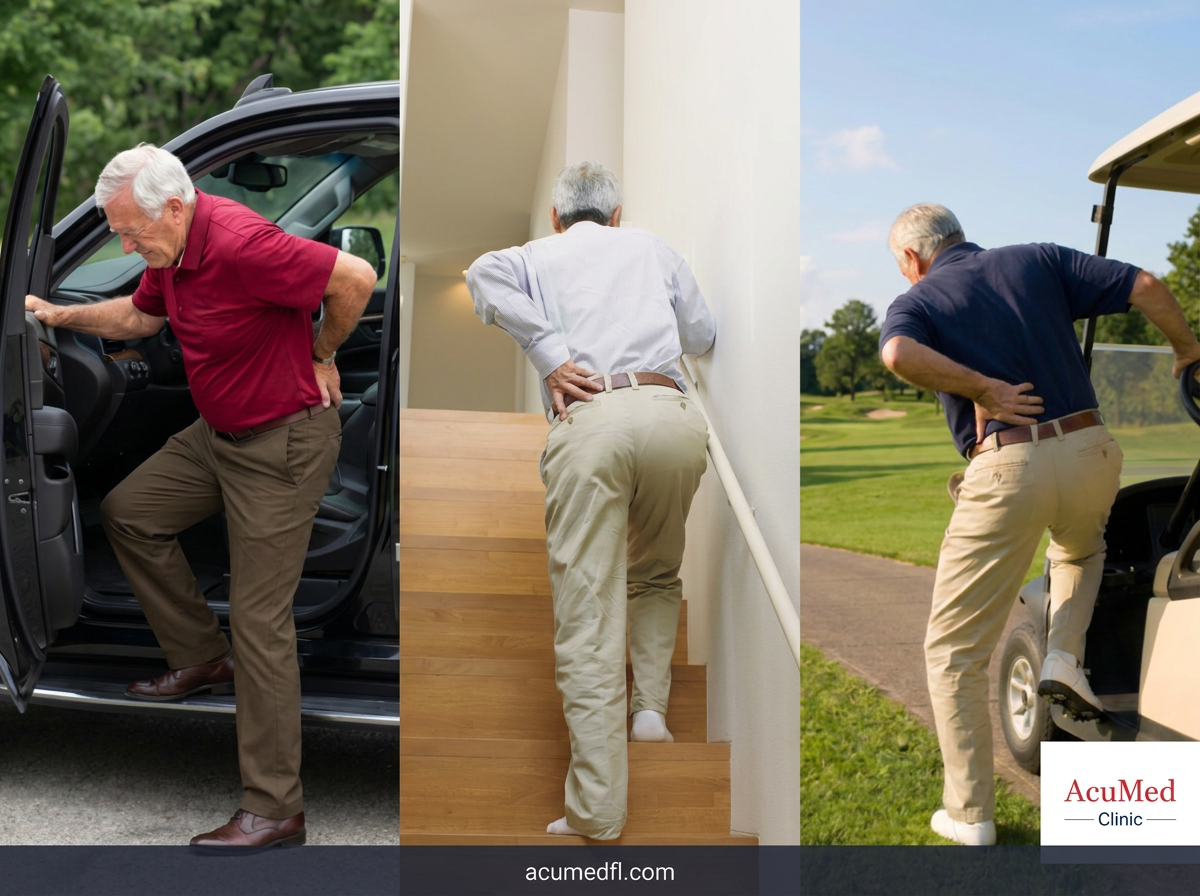
Back pain is one of the most common reasons patients seek massage therapy. But back pain is not one diagnosis — it may involve muscle tension, joint irritation, disc-related symptoms, nerve sensitivity, posture, weak stabilizing muscles, stress, overuse, or chronic protective guarding.
At AcuMed, massage for back pain may focus on paraspinal muscles, quadratus lumborum, gluteal muscles, hip flexors, hamstrings, thoracic spine muscles, trigger points, fascia and connective tissue, and breathing-related tension patterns.
For chronic back pain, massage is often most effective when combined with acupuncture, movement work, strengthening, posture correction, or other therapies. Massage alone may help you feel better temporarily. A complete plan helps reduce recurrence.
Massage for Neck Pain and Headaches
Neck pain and headaches often travel together. Tightness in the upper trapezius, levator scapulae, suboccipitals, jaw muscles, chest, and upper back can contribute to head and neck pain patterns. Screen posture, stress, teeth clenching, poor sleep position, and prolonged sitting can all make this worse.
At AcuMed, massage for neck pain and headaches may address base-of-skull tension, upper shoulder tightness, jaw-related muscle tension, trigger points, postural strain, chest and upper back restriction, and stress-related muscle guarding.
If headaches are sudden, severe, worsening, neurological, or dramatically different from your usual pattern, medical evaluation is necessary. Massage is not a substitute for emergency or neurological care.
Massage for Stress, Anxiety, and Sleep
Stress is not just emotional. It changes muscle tone, breathing, sleep, digestion, pain sensitivity, immune function, and recovery. When the nervous system stays in a prolonged fight-or-flight state, muscles remain guarded, sleep becomes lighter, pain thresholds drop, and healing slows. Massage therapy may help support nervous system regulation by encouraging relaxation, improving body awareness, reducing muscle tension, and helping the body shift toward recovery mode.
Stress-focused massage may be appropriate for patients with chronic tension, high stress levels, poor sleep, anxiety-related body tension, headaches, jaw clenching, shoulder tightness, fatigue, and burnout.
Massage is not a replacement for mental health care when depression, anxiety, trauma, or severe stress require professional treatment. But it may be a valuable supportive therapy inside a broader care plan.
Massage for Athletic Recovery and Active Adults
Sarasota patients are active. Golf, tennis, pickleball, running, walking, boating, cycling, gym training, and beach activity all create repetitive stress patterns. Massage therapy may support active adults by reducing muscle stiffness, improving mobility, easing soreness, and helping the body recover between activities.
Active adults may benefit from massage when dealing with tight calves, hip restriction, shoulder overuse, tennis elbow patterns, low back tightness, plantar fascia tension, Achilles tightness, IT band-related tension, post-workout soreness, or limited mobility.
The mistake many active patients make is waiting until a small problem becomes a chronic injury. Massage can be useful as both treatment and maintenance when used intelligently.
Massage for Chronic Pain
Chronic pain changes the nervous system. Over time, the body becomes more sensitive. Muscles protect. Movement narrows. Sleep worsens. Stress increases. Pain becomes easier to trigger and harder to calm. Massage therapy may help interrupt that cycle by reducing muscle tension, improving relaxation, supporting circulation, and helping the nervous system receive safer, less threatening input from the body.
A patient with fibromyalgia-like sensitivity needs a different touch strategy than a patient with dense athletic muscle tension. A patient with nerve pain needs different caution than a patient with simple post-workout soreness. A patient recovering from surgery needs different care than someone seeking stress relief. At AcuMed, the technique follows the patient.
How AcuMed Uses Massage Differently
AcuMed does not use massage as a stand-alone luxury service. We use massage as one clinical tool inside a broader integrative model. Depending on your presentation, massage may be combined with medical acupuncture, trigger point therapy, BEMER therapy, laser ultrasound therapy, neuro-electric medicine, cupping, infrared therapy, mobility guidance, or recovery planning.
This matters because pain often has multiple drivers. A tight muscle may be tight because of stress, joint irritation, nerve sensitivity, poor circulation, compensation from an old injury, posture, inflammation, or poor sleep. The treatment plan should match the physiology. That is the difference between getting a massage and receiving clinical massage therapy.
What to Expect During a Massage Therapy Visit
Your session begins with a conversation. We want to understand where your pain or tension is located, how long it has been present, what makes it better or worse, your activity level, your stress level, your medical history, your treatment goals, your pressure preference, and any contraindications or safety concerns.
Treatment may include neuromuscular massage, deep tissue massage, myofascial release, trigger point therapy, Swedish relaxation techniques, sports massage elements, gentle circulatory massage, or focused soft tissue work. You should communicate during the session. Pressure should be productive, not intolerable.
After massage, some patients feel relaxed, tired, lighter, looser, or mildly sore. Mild soreness can be normal. Severe pain is not the goal.
When Massage May Not Be Appropriate
Massage therapy is generally safe for many people, but it is not appropriate in every situation. Tell your clinician if you have blood clots or suspected blood clots, active infection, fever, open wounds, severe osteoporosis, recent fracture, unexplained swelling, severe cardiovascular disease, cancer or active oncology treatment, recent surgery, bleeding disorders, use of blood thinners, pregnancy, severe nerve symptoms, new weakness, unexplained weight loss, or severe or worsening pain.
A responsible clinic knows when to treat and when to refer. If your symptoms suggest a condition that requires imaging, medical evaluation, emergency care, or specialist referral, massage therapy is not the first step.
Why Choose AcuMed for Massage Therapy in Sarasota?
AcuMed Clinic is built for patients who want more than temporary relaxation. We focus on pain relief, better movement, muscle recovery, stress regulation, improved function, integrative care, clinical reasoning, and realistic outcomes.
We do not promise miracle cures. We do not claim massage fixes every condition. We do not use aggressive pressure just to make patients feel like something was done. Good massage therapy is skilled, specific, and responsive. It should help your body function better.
Frequently Asked Questions
Is massage therapy only for relaxation?
No. Massage can be relaxing, but therapeutic massage may also support pain relief, improved mobility, muscle recovery, stress regulation, and better function.
What is the difference between therapeutic massage and spa massage?
Spa massage is usually focused on relaxation. Therapeutic massage is more clinically focused. It may address pain, muscle tension, mobility problems, trigger points, injury recovery, or chronic stress patterns.
Does deep tissue massage have to hurt?
No. Deep tissue massage may feel intense, but it should not be unbearable. Productive pressure is different from painful pressure. More force is not always better.
What is neuromuscular massage therapy?
Neuromuscular massage therapy is a targeted form of soft tissue therapy that focuses on trigger points, muscle imbalance, referred pain, and movement dysfunction. It is commonly used for chronic pain, headaches, neck pain, back pain, and postural tension.
What is myofascial release?
Myofascial release focuses on fascia, the connective tissue surrounding muscles and joints. It uses slow, sustained pressure to reduce restriction and improve mobility.
Can massage help anxiety or stress?
Massage may help support relaxation, reduce stress-related muscle tension, improve body awareness, and support sleep. It is not a replacement for mental health care when professional treatment is needed.
How many massage sessions will I need?
That depends on your condition. Simple tension may improve quickly. Chronic pain, postural problems, injury recovery, or long-standing muscle guarding usually require a series of treatments.
Can massage be combined with acupuncture?
Yes. Massage and acupuncture often work well together. Massage addresses soft tissue restriction and muscle tension, while acupuncture may help regulate pain signaling, inflammation, and nervous system activity.
Is massage covered by insurance?
Coverage depends on your insurance plan and whether massage is medically necessary under your benefits. AcuMed accepts BCBS, UHC, and VA Community Care. Call to verify your benefits.
Conditions We Treat Include:
Insurance
Covered by BCBS, UHC, and VA Community Care. Call to verify your benefits.
Our Approach
Whole-Person Integrative Medicine
Every service at AcuMed Clinic operates within a fully integrated model — PA-led medical evaluations, Medical Director oversight, and natural medicine working together.
Learn about our model →
Ready to get started?
Opening soon in Sarasota, FL. Book now to secure your spot as a Founding Patient.
Book an AppointmentCall (941) 250-6911