Yang Tonic Foods

Supporting Strength, Vitality, Healthy Aging, and Testosterone Through Food Therapy

In Acupuncture and Herbal Medicine (AHM), Yang represents the body's warmth, strength, movement, and vitality. If Yin provides the body's nourishing substance, Yang provides the energy that allows those tissues to function.

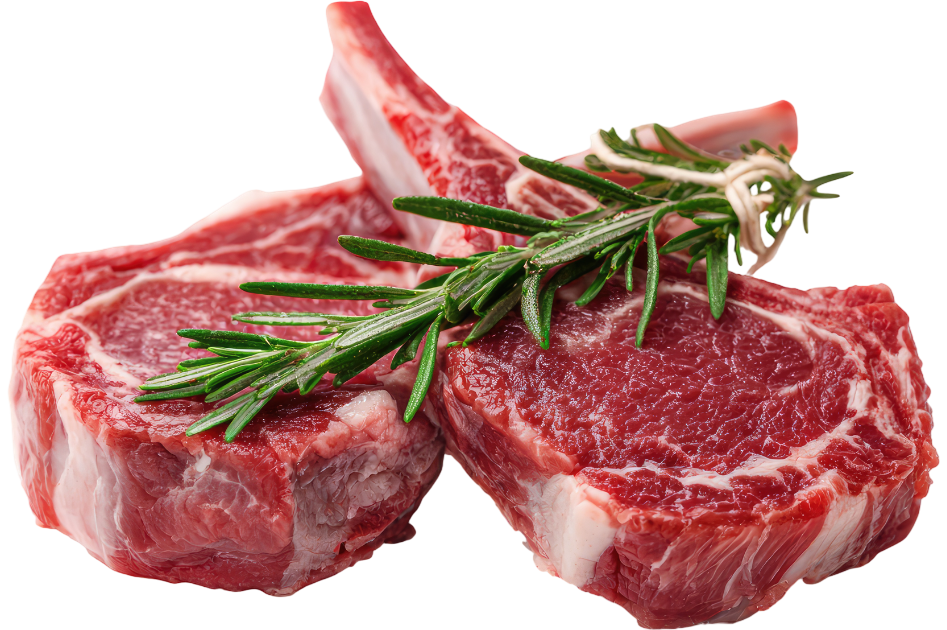
Lamb chops — a Yang-warming food

What Yang Governs

From an AHM perspective, Yang oversees a broad range of functions that keep the body active, resilient, and productive. Modern biomedical research has identified testosterone as one of the hormones that contributes to many of these same functions — not as a superior explanation, but as a parallel framework that illuminates similar territory.

Yang in AHM

  • Physical strength and muscle development
  • Healthy metabolism and energy production
  • Circulation and digestion
  • Motivation and mental drive
  • Athletic performance and endurance
  • Libido and reproductive vitality

Testosterone in Biomedicine

  • Muscle mass and bone density
  • Energy and physical recovery
  • Metabolism and body composition
  • Libido and reproductive function
  • Physical performance and endurance
  • Mental clarity and drive

One of the easiest ways to understand Yang is to think about a healthy young man. During youth, muscles recover quickly, metabolism is faster, strength is greater, and energy is abundant. As men age, they often notice reduced strength, slower recovery, loss of muscle, increased body fat, lower libido, and decreased vitality. From an AHM perspective, these changes frequently resemble a gradual decline in Yang.

What Are Yang Tonic Foods?

Yang-warming foods are foods traditionally used in AHM to strengthen the body's warming and energizing functions. Rather than simply creating heat, Yang foods help support the body's ability to produce and utilize energy efficiently.

Yang Tonic Foods Support

Healthy metabolism
Digestion and digestive fire
Circulation throughout the body
Muscle development and tone
Physical recovery and repair
Endurance and stamina
Hormonal health
Physical vitality and drive

Yang and Men's Health

Although Yang is important for everyone, it has particular relevance to men's health. As men age, maintaining Yang becomes increasingly important. Food cannot stop aging, but nutrition provides many of the building blocks required for normal hormone production and healthy metabolism.

Healthy Yang Supports

Lean muscle mass
Physical endurance
Athletic performance
Healthy testosterone production
Fertility and reproductive function
Libido
Bone strength
Mental drive and motivation
Recovery after exercise

Signs of Yang Deficiency

Common signs of Yang Deficiency grouped by pattern. These symptoms may have many causes and should be evaluated by a qualified AHM practitioner or other healthcare provider.

Temperature & Circulation

  • Feeling cold
  • Cold hands and feet
  • Poor circulation
  • Water retention

Energy & Strength

  • Low energy
  • Poor stamina
  • Slow recovery
  • Weak muscles
  • Low back weakness

Other Indicators

  • Reduced libido
  • Loose stools
  • Frequent urination

Nutrition and Testosterone

Modern research continues to demonstrate that nutrition influences testosterone production. A 2021 review published in the Journal of Men's Health evaluated numerous foods, nutrients, and supplements that may support healthy testosterone production. The authors described several mechanisms including supporting luteinizing hormone signaling, promoting testosterone synthesis within the testes, reducing testosterone breakdown, and protecting hormone-producing cells from oxidative stress.

Foods rich in the following nutrients may help support healthy testosterone production:

Zinc

Supports testosterone synthesis and hormone-producing cell function.

Magnesium

Contributes to normal hormone metabolism and muscle function.

Vitamin D

Plays a role in supporting hormone production and bone health.

Healthy Fats

Provide the cholesterol and fatty acid building blocks required for steroid hormone synthesis.

High-Quality Protein

Essential for muscle maintenance, tissue repair, and overall metabolic function.

Antioxidant-Rich Foods

Protect hormone-producing cells from oxidative stress.

Research Spotlight: A 2021 review in the Journal of Men's Health concluded that numerous foods, nutrients, and dietary supplements show promise for supporting healthy testosterone production through effects on hormone synthesis, antioxidant protection, and regulation of testosterone metabolism. While more clinical research is needed, current evidence supports the important role of nutrition in maintaining men's hormonal health.

Common Yang Tonic Foods

Traditional AHM food therapy has long identified specific foods that support Yang functions. The categories below reflect both historical use and their nutrient profiles.

Animal Proteins

The foundation of Yang support — warming, nourishing, and rich in essential nutrients.

Vegetables

Warming root and allium vegetables that support digestion and circulation.

Warming Spices

Traditional thermogenic spices that stimulate circulation and digestive fire.

Healthy Fats

Nutrient-dense fats that provide essential building blocks for hormone production.

Nourishing Broths

Deeply nourishing preparations that support Kidney Jing and overall vitality.

  • Bone broth
  • Slow-cooked meat stocks

The Traditional Principle of “Like Supports Like”

One of the oldest principles of Acupuncture and Herbal Medicine is sometimes summarized as “like supports like.” Historically, practitioners believed that consuming nutrient-dense organs from healthy animals helped nourish the corresponding organ systems in the body. This concept developed centuries before modern nutritional science but remains part of traditional food therapy in many cultures around the world.

Liver: To nourish Blood
Heart: To support Heart function and Shen (spirit/mind)
Kidney: To nourish Kidney Essence (Jing)
Bone Marrow: To support bones and marrow
Reproductive Organs: To support reproductive vitality

Organ Meats: Nature's Multivitamin

Organ meats are among the most nutrient-dense foods available. Unfortunately, they have become uncommon in the modern American diet. Depending on the organ, they provide:

Vitamin A
Vitamin B12
Folate
Iron
Zinc
Copper
Selenium
CoQ10
Choline
High-quality protein

Freeze-Dried Organ Supplements

Many people dislike the taste or texture of organ meats. To make these traditional foods more accessible, several companies now produce freeze-dried organ supplements. Freeze-drying removes water while preserving much of the food's nutritional profile. These products are simply whole-food organ meats that have been dehydrated and placed into capsules.

Depending on the formulation, they may contain liver, heart, kidney, bone marrow, spleen, testicular tissue, and other glandular organs.

For individuals who do not enjoy eating organ meats, freeze-dried organ supplements may offer a convenient way to incorporate these nutrient-dense foods into their diet. Patients should choose products from reputable companies that source organs from healthy, pasture-raised animals and follow appropriate quality-control standards.
Sarasota Living and Yang

Although Sarasota has a warm climate, many people spend most of their day in air-conditioned homes, offices, and vehicles. It is common to see patients who experience cold hands, cold feet, poor circulation, fatigue, and digestive weakness despite living in Florida.

Food recommendations should always be based on the individual — not simply the weather outside. A practitioner evaluates your full pattern before making Yang-warming food recommendations, as the same symptom may have different underlying causes in different people.

Common in Sarasota Despite the Heat

  • Cold hands and feet
  • Poor circulation
  • Chronic fatigue
  • Digestive weakness
  • Low back discomfort

Dr. Kitt's Clinical Pearl

Clinical Pearl

“When patients hear ‘Yang,’ they often think only of body heat. I explain Yang differently. Yang is what makes a young man feel strong, energetic, resilient, and physically capable. From a modern perspective, testosterone contributes to many of these same qualities. Nutrition cannot replace appropriate medical care when hormone deficiency is present, but it provides the raw materials the body needs to produce hormones, maintain muscle, recover from exercise, and support healthy aging. Food therapy is one of the ways we nourish Yang naturally over time.”

Frequently Asked Questions

Can food increase testosterone?

A nutritious diet provides the vitamins, minerals, healthy fats, protein, and antioxidants required for normal testosterone production. Correcting nutritional deficiencies may help support healthy hormone levels. For individuals with clinically low testosterone, a qualified healthcare provider should guide treatment decisions.

Are organ meats healthy?

Organ meats are among the most nutrient-dense foods available, providing concentrated amounts of vitamins, minerals, and other nutrients. As with any food, they should be consumed in appropriate amounts as part of a balanced diet.

What if I don't like organ meats?

Freeze-dried organ supplements are available for individuals who prefer not to eat organ meats. These products provide whole-food organ tissues in capsule form and may be a convenient option when sourced from reputable manufacturers who follow appropriate quality-control standards.

Is Yang the same as testosterone?

No. Testosterone is one hormone that contributes to many functions associated with Yang, but Yang is a broader AHM concept encompassing warmth, metabolism, circulation, vitality, digestion, and energy production. The two frameworks address similar territory from different perspectives — neither is more valid than the other.

Explore More Food Therapy Topics

Food therapy in AHM spans many therapeutic categories. Explore related topics below.

Interested in Personalized Food Therapy Guidance?

Food therapy recommendations in AHM are always individualized. Dr. Kitt evaluates your full clinical picture before making dietary recommendations — what supports one patient may not be appropriate for another.

Schedule a Consultation