AcuMed ClinicPain & Chronic Care

Yin Tonic Foods

In Acupuncture and Herbal Medicine (AHM), Yin represents the body's cooling, moistening, and restorative foundation — the substance that keeps tissues hydrated, joints supple, sleep deep, and the nervous system calm. When Yin is abundant, the body functions with quiet resilience. When it declines, the signs are often unmistakable: dryness, heat sensations, disrupted sleep, and a gradual loss of the tissue fullness and elasticity that characterize a well-nourished body. Dietary support is one of the most consistent and practical ways to help maintain and rebuild Yin over time, and it begins with understanding which foods nourish it and why.

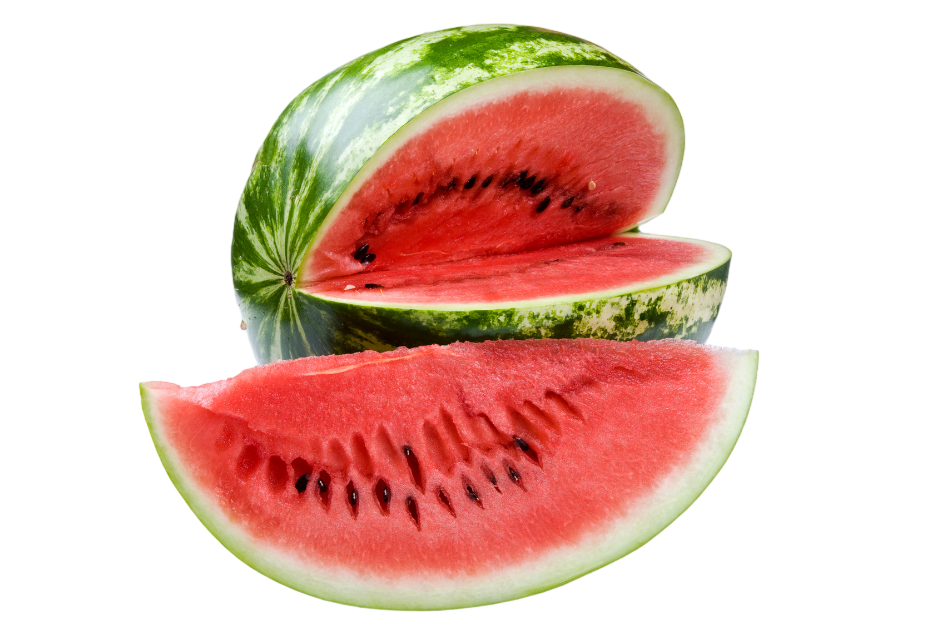
Fresh watermelon — a cooling Yin tonic food

In Acupuncture and Herbal Medicine, Yin is not a single substance but a category of biological and physiological function. It encompasses everything cooling, moistening, nourishing, and restorative in the body — the fluids that lubricate joints and keep mucosal membranes healthy, the blood that nourishes tissues and supports mental clarity, the hormonal substrate that regulates cycles, sleep, and temperature, and the deep reserves that allow the body to recover from stress, exertion, and illness. From a clinical AHM perspective, Yin is the body's capacity to sustain itself quietly — to stay moist when the environment is dry, cool when the metabolism runs hot, and nourished even when demands are high.

Yin Deficiency is among the most commonly encountered patterns in clinical practice, particularly in adults over forty and in women navigating perimenopause and menopause. It is not a disease in the Western medical sense but rather a pattern of imbalance that manifests across multiple body systems simultaneously — affecting sleep, skin, joints, emotional regulation, and hormonal function in ways that can be subtle at first and progressively more disruptive over time. Food therapy, when thoughtfully applied, provides a meaningful and evidence-informed layer of support for this pattern. It does not replace medical evaluation, and it does not work in isolation from a comprehensive treatment plan — but a consistent dietary foundation that emphasizes Yin-nourishing foods can meaningfully support what acupuncture, herbal medicine, and other clinical interventions are working to restore.

What Are Yin Tonic Foods?

In AHM, foods are understood to have qualities beyond their nutritional content. They carry energetic natures — warming, cooling, or neutral — and functional properties such as moistening, drying, astringent, or dispersing. Yin tonic foods are those that are cooling or neutral in energetic nature and moistening in their functional property, meaning they are traditionally associated with building and sustaining the body's fluids, blood, and tissue moisture. Foods in this category include many that Western nutritional science also recognizes as supportive of skin health, hormonal function, connective tissue integrity, and cellular hydration — a convergence that gives both frameworks reason to recommend them. The goal of Yin tonic foods is not to suppress heat or force fluid production but to gently replenish what time, stress, illness, and climate gradually deplete.

Preparation matters as much as selection. Gentle cooking methods — slow simmers, soups, stews, and steaming — preserve and enhance the moistening properties of Yin tonic foods. Dry-heat cooking methods such as roasting, grilling, or frying, while not inherently harmful, have a drying quality in AHM terms that can work against Yin replenishment when someone is already depleted. This does not mean grilled fish is off the table, but it does suggest that broth-based dishes, congee, and slow-cooked preparations deserve a more prominent place in the diet of someone presenting with a Yin Deficiency pattern.

No single food will resolve Yin Deficiency, and the goal is never to eat any one food in large quantities while ignoring the rest of the pattern. The value of Yin tonic foods lies in consistent, daily dietary habits — a pattern of eating that, over weeks and months, gradually reinforces what clinical treatment is working to restore. At AcuMed Clinic, Dr. Kitt integrates dietary guidance into each patient's individualized treatment plan, recognizing that the foods someone eats between appointments are part of the therapeutic environment, not separate from it.

Healthy Aging, Hormones, and Yin

One of the most useful ways to understand what Yin looks like when it is abundant is to think about the body of a healthy young woman in her peak reproductive years. This is not a statement about what youth means aesthetically — it is a clinical observation about what the body looks like when its nourishing, moistening, and restorative resources are fully available. In AHM, healthy estrogen and progesterone are among the primary hormonal expressions of abundant Yin, and their influence is visible across virtually every tissue system.

When Yin is abundant, a woman in her reproductive years typically presents with many of the following qualities:

These qualities, viewed through the AHM lens, are the outward signs of a Yin that is doing its job — cool, moist, nourished, and replenished by healthy hormonal function, adequate nutrition, and sufficient rest.

As women move through perimenopause and menopause, estrogen and progesterone naturally and inevitably decline. This hormonal shift is not a pathology — it is a normal phase of a woman's biological life. But many women begin noticing changes that reflect what AHM would characterize as declining Yin:

AHM has recognized and documented this pattern of decline for well over a thousand years. The modern endocrinological understanding of perimenopause and menopause converges with this ancient clinical map in meaningful ways — not perfectly, because they emerge from different frameworks, but enough that the dietary and herbal strategies AHM uses to support Yin also provide, by modern nutritional analysis, compounds that support skin integrity, connective tissue, hormonal metabolism, and cellular health.

Food therapy in this context is not about stopping aging. No diet reverses the natural progression of time or prevents the hormonal transitions that are part of a woman's biology. What food therapy can do is nourish the body so that aging happens with greater comfort, resilience, vitality, and ease — so that the tissue resources available are as well-maintained as possible, the nervous system has what it needs to regulate temperature and sleep, and the body entering each new decade has been consistently supported rather than chronically depleted.

Why Yin Tonic Foods Matter in Sarasota

Sarasota is home to one of the highest concentrations of adults over sixty-five in the United States — more than 37 percent of the population is sixty-five or older, and that population continues to grow as the region attracts retirees drawn by its climate, natural beauty, and quality of life. From a clinical standpoint, this means that a large share of the patient population is already at the life stage where Yin naturally begins to decline. Add the compounding effects of Florida's climate, and Yin Deficiency becomes not just a common pattern but one that the local environment actively reinforces.

In AHM, prolonged exposure to heat and humidity is associated with patterns that gradually deplete Yin over time. The Summer Heat pattern — characterized by sweating, thirst, fatigue, and a slow depletion of fluids — is not just a seasonal concern in Sarasota; it is a chronic low-grade condition for many year-round residents. Unlike more temperate climates where the body has months of cool, moist weather to replenish itself, Sarasota's heat season runs long, and the physiological cost of staying cool — sweating, increased fluid turnover, cardiovascular strain — is paid consistently. For someone whose Yin is already showing signs of depletion, the cumulative effect of living in this climate without actively supporting that replenishment is clinically relevant.

This matters particularly for Sarasota's active outdoor community. The Legacy Trail, Siesta Key Beach, the rowers, cyclists, and paddlers who make use of the waterways and parks year-round — these are people who have prioritized staying physically engaged well into later life. That commitment to activity is one of the most protective things a person can do for their long-term health. But sustained physical activity in heat generates its own Yin-depleting demands: sweating depletes fluids, high-intensity effort in a hot climate increases metabolic heat, and the repetitive loading of joints requires healthy connective tissue and adequate lubrication to sustain over decades.

The practical implication for Sarasota residents with a Yin Deficiency pattern is that cooling, moistening foods are not just seasonally useful but consistently relevant. This does not mean eating cold, raw food year-round — in fact, AHM typically cautions against excessive cold and raw foods for those with digestive sensitivity, and individualization always applies. It means building a dietary foundation that regularly includes foods with moistening properties: soups and stews, fatty fish, bone broth, seasonal fruits like pears and watermelon, dark leafy greens, and the seeds and legumes that AHM has long identified as Yin-nourishing. In a climate where the body is chronically warm and regularly sweating, these foods provide a nutritional counterweight that supports tissue moisture, hormonal function, and the long-term resilience that makes an active Sarasota lifestyle sustainable.

Common Yin Tonic Foods

The following foods are organized by category and reflect those most consistently identified in AHM as having cooling or neutral energetic natures and moistening functional properties. As with all dietary guidance at AcuMed Clinic, these recommendations are a starting point — what is most appropriate for any individual depends on their complete clinical presentation, digestive health, and overall pattern.

Cooling and Moistening Fruits

Proteins and Animal Foods

Dairy and Oils

Nuts and Seeds

Legumes

Grains

  • Millet
  • Barley
  • Black Rice

Organ Meats and Supplements

  • Liver
  • Bone Marrow
  • Ovarian and Uterine Tissue (Supplement Form)

No one is expected to eat all of these regularly, and the presence of a food on this list does not mean it is appropriate for every person. A patient with dairy sensitivity, shellfish allergy, or a concurrent Dampness pattern will receive guidance that reflects those factors. Incorporate these foods as fits your individual situation and as directed by your AHM provider.

When Might Yin Tonic Foods Be Recommended?

Yin tonic foods are most directly applicable when a patient's clinical picture includes signs of Yin Deficiency — a pattern in which the body's cooling, moistening, and restorative resources are insufficient to meet its demands. This pattern does not announce itself all at once; it typically develops gradually and presents as a constellation of signs rather than a single dramatic symptom. The following observations are among those that may prompt Dr. Kitt to incorporate Yin tonic dietary guidance into a patient's treatment plan.

Night Sweats

Sweating that occurs primarily at night, often without obvious cause, is a hallmark sign of Yin Deficiency in AHM. The body's cooling resources are insufficient to anchor heat during the night. This pattern is particularly common during perimenopause and menopause but can also occur in men and in younger individuals with depleted Yin.

Heat Sensations in the Afternoon or Evening

A sensation of heat — particularly in the palms, soles, or chest — that intensifies in the late afternoon or evening is a classic presentation of what AHM calls Empty Heat. This sensation arises not from excess but from deficiency: the Yin that would normally cool and anchor Yang is insufficient to do so.

Dry Eyes, Dry Mouth, or Dry Skin

Persistent dryness across multiple tissue sites — eyes that feel gritty or uncomfortable by midday, a mouth that is chronically dry, skin that stays rough despite adequate topical moisture — reflects the body's reduced capacity to generate and sustain fluid where it is needed. AHM views this as a systemic rather than a local problem.

Sleep Disruption

Difficulty staying asleep, waking repeatedly in the night, or consistently waking before dawn and being unable to fall back asleep are associated with Yin Deficiency in AHM. When Yin is insufficient, the mind and body struggle to settle into the deep, restorative rest that Yin anchors.

Vaginal Dryness

For women, dryness in the vaginal area — particularly when accompanied by other signs of Yin Deficiency — reflects declining estrogen and Yin in the tissues. This is one of the most common presenting complaints in perimenopausal and menopausal women and a clear indicator that Yin-nourishing support may be beneficial.

Low Back or Knee Aching with a Sense of Depletion

In AHM, the kidneys govern the deepest reserves of Yin and Yang, and their associated regions — the lower back and knees — are among the first places to show signs of decline. A dull, persistent ache in these areas that feels more like depletion than injury, particularly when accompanied by fatigue, is consistent with Kidney Yin Deficiency.

Restlessness or Irritability Without Obvious Cause

Yin anchors the spirit and the emotional body. When Yin is insufficient, the mind can become unsettled — restless, easily irritated, prone to anxiety, or unable to quiet itself in the evening. This is distinct from the irritability associated with excess Liver Qi and requires a different therapeutic approach.

Reduced Tissue Fullness or Elasticity

Noticeable changes in skin elasticity, facial volume, or the general fullness of soft tissues — beyond what would be expected from weight changes — can reflect declining Yin in the tissues. AHM associates Yin with the structural substance of the body, and its decline is often visible before it becomes uncomfortable.

Food therapy can be a meaningful part of your health strategy, but these signs deserve a proper clinical evaluation — not self-diagnosis from a food list. AHM and allopathic medicine are not competing systems; they are complementary approaches that, when integrated together, give you a more complete picture of what is happening in your body and more tools to address it. At AcuMed Clinic, both are available under one roof.

Nutrition and Women's Hormonal Health — A Modern Lens

Modern nutritional science offers a useful parallel framework for understanding why many Yin tonic foods appear to support hormonal health, skin integrity, and the broader tissue changes associated with aging. The foods each system identifies as beneficial for women's health during and after the reproductive years overlap in ways that are difficult to dismiss as coincidental.

Healthy Fats

avocado, olive oil, walnuts, flaxseed, chia seeds, and fatty fish

Every steroid hormone, including estrogen and progesterone, is derived from cholesterol, and adequate dietary fat provides the raw material for that synthesis. Beyond hormone production, healthy fats are essential to cell membrane integrity, which affects how effectively tissues hold moisture, respond to signaling, and maintain structural resilience.

High-Quality Protein

eggs, fish, poultry, bone broth, beans, and lentils

Protein supplies the amino acids the body uses to produce collagen and elastin, maintain connective tissue, synthesize enzymes, and support the hormonal and neurotransmitter pathways that regulate mood, sleep, and metabolic function. Protein deficiency accelerates the tissue changes associated with Yin Deficiency in ways that are visible and measurable.

Omega-3 Fatty Acids

salmon, sardines, and walnuts

Omega-3 fatty acids directly support the structural and functional integrity of cell membranes, which in turn affects skin hydration, cardiovascular resilience, brain health, and the modulation of inflammatory signals. These are among the most consistently supported nutrients in the research literature on skin aging and tissue maintenance.

Antioxidant-Rich Foods

blueberries, pomegranate, cherries, and dark leafy greens

These foods protect tissues from oxidative stress, which accelerates cellular aging, degrades collagen, and contributes to the inflammatory processes that underlie many chronic conditions. Oxidative stress is a direct threat to Yin in functional terms — it depletes the tissue resources that Yin represents.

Phytoestrogen-Containing Foods

flaxseed, soy products, tempeh, and edamame

These foods contain plant compounds called isoflavones and lignans that interact with estrogen receptors in the body. For some women, particularly those going through menopause, these compounds appear to modestly reduce the frequency and severity of hot flashes and support tissue health. However, they interact with estrogen receptors differently than endogenous human estrogen, and their appropriateness varies considerably from person to person. Women with hormone-sensitive conditions, a history of hormone-sensitive cancer, or active thyroid concerns should discuss phytoestrogen-rich foods with their physician before making them a significant dietary feature.

One important clarification: while this section focuses on women's hormonal health, Yin Deficiency is not a condition exclusive to women. Men develop it too — through the natural aging process, chronic illness, prolonged overwork, ongoing psychological stress, and the Yin-depleting effects of certain cancer treatments. The dietary principles here apply across genders, though the specific clinical presentation and the foods most relevant to each individual will vary based on their complete AHM pattern evaluation.

The Traditional Principle of Like Supports Like

One of the oldest principles in traditional food therapy — found across AHM, Ayurveda, indigenous dietary traditions, and pre-modern European medicine alike — is the idea that consuming a healthy tissue from an animal can support the corresponding tissue or organ system in the human body. In AHM, this principle is not understood mystically but functionally: a food that is rich in the building blocks needed to maintain a particular tissue will logically support the body's capacity to build and repair that same tissue.

The liver, for example, is one of the most nutritionally dense foods available — extraordinarily rich in vitamin A, B12, folate, iron, zinc, copper, and choline — and consuming it provides a concentrated supply of nutrients that the body uses to support its own liver function, blood production, and cellular repair processes. Bone marrow is rich in stem cell precursors, collagen, glycine, and fat-soluble vitamins that support blood production, connective tissue integrity, and joint health. For women in particular, AHM has long incorporated female reproductive organ tissues — typically in the form of dried preparations — as part of protocols for supporting vitality, hormonal balance, and tissue nourishment during reproductive transitions.

Organ meats were once a regular part of traditional diets worldwide and have largely disappeared from the modern American table. Contemporary consumers who want to access their benefits without preparing them as food have options in the form of freeze-dried organ supplements. These products are made by freezing organ tissues at low temperatures and removing moisture under vacuum, then encapsulating the resulting powder. When produced from high-quality, grass-fed or pasture-raised animals and tested for contaminants, they preserve many of the nutritional benefits of the whole food, including fat-soluble vitamins, peptides, enzymes, and minerals. Women's formulations often combine liver, heart, kidney, and female reproductive tissue in a blend intended to support hormonal and connective tissue health. These supplements are not pharmaceuticals. They are not a replacement for medical evaluation or treatment, and they should be discussed with a qualified provider before use — particularly for women with autoimmune conditions, high vitamin A sensitivity, or hormone-sensitive diagnoses.

Collagen, Connective Tissue, and Yin

Among the first and most visible places Yin Deficiency makes itself known is connective tissue — the skin, joints, fascia, tendons, hair, and nails that require consistent nourishment to maintain their structural integrity over time. Collagen is the most abundant protein in the body and the primary structural material of all connective tissue. Its production depends on adequate dietary protein, specific amino acids (glycine and proline in particular), vitamin C, zinc, copper, and manganese — a nutritional picture that maps closely onto the Yin tonic food categories on this page.

The foods most directly supportive of collagen synthesis and connective tissue maintenance are those that provide both the raw structural material and the cofactors needed for synthesis and cross-linking. Bone broth, made by simmering bones and connective tissue for extended periods, is among the most concentrated food sources of glycine, proline, hydroxyproline, and other collagen precursors available through diet — and it is a central Yin tonic preparation in AHM, valued for its ability to nourish Yin, support the joints, and strengthen the digestive system simultaneously.

Bone Broth

Concentrated source of glycine, proline, hydroxyproline, and collagen precursors from long-simmered bones and connective tissue.

Skin-On Fish

Provides collagen peptides from fish skin alongside the omega-3 fatty acids that support cellular membrane integrity.

Eggs

Supply both protein and sulfur-containing amino acids essential for connective tissue synthesis and cellular repair.

Citrus Fruits and Bell Peppers

Rich in vitamin C — an essential cofactor for collagen cross-linking and tissue repair.

Berries

Blueberries and pomegranate provide antioxidants that protect existing collagen from oxidative degradation.

Adequate Dietary Protein

From fish, poultry, eggs, and legumes — provides the full amino acid profile collagen synthesis requires.

Gut Health and Yin

In AHM, healthy digestion is the foundation of all nourishment. The Spleen and Stomach — the digestive organ system in AHM — are responsible for transforming food and drink into the Qi, Blood, and fluids that nourish the entire body, including Yin. This means that even a diet rich in Yin tonic foods will provide limited benefit if the digestive system lacks the capacity to absorb and transform what is being eaten. Supporting gut health is not separate from Yin tonic dietary therapy — it is a prerequisite for it.

A diet rich in colorful vegetables, seasonal fruits, adequate dietary fiber, fermented foods, and healthy fats supports the intestinal microbiome and the mucosal lining of the digestive tract in ways that enhance nutrient absorption and reduce inflammatory burden. Fermented foods in particular — plain yogurt, miso, kimchi, and kefir where tolerated — support microbial diversity and intestinal integrity. The nutrients that build and maintain Yin — amino acids from protein, fat-soluble vitamins from organ meats and fatty fish, minerals from legumes and seeds — are only as available as the gut's capacity to absorb them. Patients with compromised digestive function will often need digestive support addressed alongside or before Yin tonic strategies, a priority that is reflected in Dr. Kitt's individualized treatment approach.

Practical Tips for Sarasota Living

Lean into cooling and moistening foods during Sarasota's long summer months.

From May through October, Sarasota's heat and humidity place a consistent burden on the body's fluid and cooling resources. During these months, build meals around foods with naturally moistening properties: cucumber, watermelon, pears, spinach, barley, and herbal teas made with cooling herbs like chrysanthemum or peppermint. This is not the season to eat heavily or focus on warming, drying foods — it is the season to replenish.

Shift your cooking methods when Yin is depleted.

When signs of Yin Deficiency are present — dry skin, night sweats, disrupted sleep, afternoon heat sensations — consider reducing how often you grill, roast, or air-fry your food. These dry-heat methods have a drying quality in AHM terms that can compound an already-depleted pattern. Favor slow-cooked soups, stews, steamed fish, congee, and braised dishes instead. Even small shifts in cooking method can meaningfully support Yin replenishment over time.

Incorporate at least one Yin tonic food daily as a consistent habit.

Rather than trying to overhaul your entire diet at once, identify one or two Yin tonic foods that fit naturally into your existing routine and make them a daily staple. Black sesame seeds stirred into morning oatmeal or yogurt, goji berries added to a smoothie, a pear as an afternoon snack, or a cup of bone broth in the evening — small consistent habits build the dietary foundation that supports Yin over weeks and months.

Hydrate with room-temperature or warm water throughout the day.

Cold beverages, especially ice water consumed in large amounts, can weaken digestive function in AHM terms — particularly for those who already tend toward cold digestion or bloating. In Sarasota's heat, the instinct to reach for ice water is understandable, but room-temperature water, warm herbal teas, or mildly cooled beverages support both hydration and digestive capacity. Carry a water bottle and aim for consistent sipping throughout the day rather than large amounts at once.

When Should Yin Tonic Foods Be Used with Caution?

Yin tonic foods are, as a category, among the safest and most broadly applicable in AHM dietary therapy. They are, by and large, whole foods — fatty fish, dark leafy greens, legumes, seeds, eggs, bone broth, and seasonal fruits. For most people, adding more of these foods to the diet is straightforward and well-tolerated.

Phytoestrogen-rich foods — flaxseed, soy products, tempeh, and edamame — warrant individualized guidance rather than universal recommendation. For women with hormone-sensitive conditions such as hormone-receptor-positive breast cancer, estrogen-sensitive fibroids, or certain thyroid conditions, the estrogenic activity of these foods may require discussion with an oncologist, gynecologist, or endocrinologist before they become a significant dietary feature. The evidence base is nuanced and evolving, and what is appropriate varies considerably from person to person.

Patients who present with concurrent patterns of Dampness or Phlegm — characterized by sluggish digestion, bloating, heaviness, loose stools, or excess mucus — may find that certain richer Yin tonic foods exacerbate rather than help their condition. Heavy fats, excessive dairy, and very rich preparations like bone marrow can worsen Damp patterns even in someone who also has Yin Deficiency. In these cases, the clinical priority may be to address Dampness first, or to select the lighter Yin tonic foods — mung beans, cucumber, barley, and lean fish — that nourish Yin without adding to Dampness. This is precisely the kind of nuance that requires individual assessment rather than a food list.

Hormone-Sensitive Conditions

Phytoestrogen-containing foods (flaxseed, soy, tempeh) should be discussed with your physician if you have a history of hormone-sensitive cancer, estrogen-sensitive fibroids, or active thyroid concerns.

Dampness or Phlegm Patterns

Richer Yin tonic foods — heavy fats, dairy, bone marrow — can worsen concurrent Dampness patterns. Lighter Yin tonic foods are typically recommended first in these cases.

Kidney Disease

Significant dietary protein changes should be coordinated with nephrology guidance if chronic kidney disease is present.

Food Allergies and Sensitivities

AHM dietary guidance never overrides what a patient already knows about how their body responds. Avoid any foods to which you react, regardless of their Yin tonic classification.

Research Spotlight

The research literature on Yin tonic foods does not use the language of AHM, but it increasingly documents the biological effects of many of the foods and nutrients AHM has long associated with nourishing fluids, tissues, and the body's restorative capacity. The following studies represent a selection of the research relevant to the key foods and nutrient categories on this page.

A 2021 review published in Nutrients by Balić and colleagues (PMC7827176) examined the effects of omega-3 fatty acid supplementation on skin health outcomes. The authors found that omega-3 supplementation was associated with significant improvements in skin hydration, elasticity, and barrier function — findings that align closely with AHM's longstanding classification of fatty fish and flaxseed as Yin-moistening foods with particular affinity for the skin and mucosal tissues. The biological mechanism underlying this effect — the structural role of omega-3s in phospholipid membranes that determine cellular fluid retention — gives the ancient clinical observation a plausible modern explanation. Read the review (PMC7827176)

A 2020 study in Nutrients by Saito and colleagues (PMC7230187) examined the effects of oral collagen peptide supplementation — derived from the same protein-rich foods, including skin-on fish and bone broth, that AHM identifies as Yin tonic — on skin aging markers in women. The study found improvements in skin elasticity and hydration following supplementation, supporting the case for protein-rich Yin tonic foods as contributors to connective tissue maintenance over time. The practical implication is that regular consumption of bone broth, skin-on fish, and eggs is not merely a traditional practice — it provides measurable structural benefit to the tissues most visibly affected by Yin Deficiency. Read the study (PMC7230187)

A 2021 systematic review in Nutrients by Franco and colleagues (PMC8308233) synthesized the evidence on phytoestrogen supplementation and menopausal symptoms. The review found that soy isoflavones significantly reduced both the frequency and the severity of hot flashes in menopausal women compared to placebo, with a favorable safety profile in the populations studied. From an AHM perspective, phytoestrogen-rich foods align well with Yin tonic principles — they are generally cooling and moistening — and this review provides modern evidence that one mechanism through which they work involves a modest interaction with estrogen receptor pathways that partially compensates for declining endogenous estrogen. Read the systematic review (PMC8308233)

A 2018 review in Drug Design, Development and Therapy (PMC6168917) examined the biological effects of Lycium barbarum polysaccharides — the active compounds in goji berries, one of AHM's most widely used Yin and Blood tonic foods. The review found that these polysaccharides demonstrated antioxidant, neuroprotective, hepatoprotective, and anti-aging effects across multiple experimental models. Goji berries have appeared in AHM materia medica for over two thousand years as a premier tonic for Yin and Blood, specifically associated with the eyes, liver, and kidney systems — and the convergence of this modern research with that long clinical history is notable. Read the review (PMC6168917)

Research published in Food Science and Nutrition examined the antioxidant and anti-inflammatory activity of black sesame extract, finding significant effects across multiple markers of oxidative stress and inflammation relevant to age-related tissue protection. Black sesame seeds are among the most consistently recommended foods for Yin and Blood Deficiency in AHM, particularly for women experiencing hair thinning, dry skin, and the tissue changes of menopause — conditions closely associated with oxidative stress at the cellular level.

These studies do not prove that Yin tonic foods replace clinical care, resolve hormonal decline, or produce the equivalent of pharmaceutical intervention. What they demonstrate is that the nutritional rationale underlying many of the foods AHM has used for generations is now supported by modern evidence. The biological mechanisms may differ in language from the clinical frameworks of AHM, but the direction of effect — toward better hydration, tissue integrity, connective tissue support, and cellular resilience — runs parallel. At AcuMed Clinic, Dr. Kitt integrates this evidence alongside AHM tradition, applying both frameworks to individualized care.

Dr. Kitt's Clinical Pearl

Clinical Pearl

“I often ask patients to close their eyes and think about how their body felt in their twenties — not in a wistful way, but as a clinical exercise. The skin that bounced back easily, the sleep that felt restorative, the joints that moved without a second thought. That's what abundant Yin looks and feels like from the inside. What I see in clinical practice, especially here in Sarasota where the heat and an active lifestyle both place ongoing demands on the body's reserves, is that declining Yin often sneaks up on people gradually — the dry eyes they chalk up to screen time, the night sweats they attribute to the thermostat, the joint stiffness they assume is just aging. Sometimes it is just aging, and that's fine. But sometimes it's a pattern that dietary and clinical support can meaningfully shift. For most of my patients working through a Yin Deficiency pattern, the single most impactful place to start is adding consistent moisture to the diet — bone broth in the evening, a pear or some goji berries in the afternoon, black sesame seeds on their breakfast, fatty fish twice a week. It's not dramatic, but it's consistent, and in my clinical experience, consistency is what actually moves the pattern.”

Frequently Asked Questions

What is Yin?

In Acupuncture and Herbal Medicine, Yin is a foundational concept that describes everything in the body that is cooling, moistening, nourishing, and restorative. It encompasses the body's fluids — including blood, synovial fluid, saliva, and mucosal secretions — as well as the hormonal substrate, tissue moisture, and deep reserves that allow the body to sustain itself over time. Yin is often described as the opposite and complement of Yang, which represents warmth, activity, and transformation. Neither is superior to the other — health depends on their dynamic balance. When Yin is insufficient, Yang can become relatively excessive, producing the characteristic signs of Empty Heat: dryness, night sweats, heat sensations in the afternoon or evening, and a restless quality that persists even when the person is clearly depleted.

Is Yin the same as estrogen?

No — they are not the same concept, though there is meaningful clinical overlap. In AHM, Yin is a broader category than any single hormone. It encompasses fluids, blood, tissue moisture, and the nourishing and restorative functions across multiple organ systems. Estrogen, from a Western endocrinological perspective, is one of the hormones most closely associated with the tissue qualities that AHM associates with abundant Yin — skin hydration, collagen production, joint lubrication, vaginal moisture, and the regulation of body temperature. The decline of estrogen at menopause produces a clinical picture that AHM would recognize as Yin Deficiency, which is why the frameworks align so closely in that context. But Yin Deficiency can occur without estrogen deficiency — in men, in younger women, and in people of any age who have depleted their restorative reserves through overwork, illness, or chronic stress. The two frameworks illuminate the same underlying physiology from different angles, and both have something useful to offer.

Can Yin-nourishing foods help with hot flashes?

They may contribute to support over time, particularly as part of a broader treatment plan that includes acupuncture and herbal medicine. Phytoestrogen-containing foods such as flaxseed and soy products have the strongest research support for modest reductions in hot flash frequency and severity. More broadly, a dietary pattern that consistently includes cooling, moistening, and antioxidant-rich foods may help moderate the Empty Heat pattern that underlies hot flashes in AHM terms. Food therapy works gradually and cumulatively — it is not the equivalent of pharmaceutical hormone therapy, and it should not be framed as such. But as part of a comprehensive treatment approach, it can meaningfully support the clinical work that acupuncture and herbal medicine are doing. Individual responses vary, and the dietary recommendations most relevant to any patient depend on their complete clinical presentation.

Are Yin-nourishing foods only for women?

No. While this page addresses women's hormonal health and the Yin changes associated with perimenopause and menopause in significant depth, Yin Deficiency is a pattern that affects people of all genders. Men develop Yin Deficiency through aging, chronic illness, prolonged overwork, excessive physical exertion without adequate recovery, and certain medical treatments including radiation and chemotherapy. The Yin tonic foods on this page are appropriate across genders — the specific presentation of Yin Deficiency and the foods most relevant to each individual will differ, but the category itself is not gendered. Older men presenting with night sweats, low back depletion, dry eyes, poor sleep, or joint changes associated with aging are often excellent candidates for Yin tonic dietary support.

Do I need to eat everything on the list?

No. The food list on this page is a comprehensive reference, not a prescription. No one eats all of these foods regularly, and attempting to do so would not be practical or necessarily beneficial. The goal is to identify a handful of Yin tonic foods that fit naturally into your existing dietary habits and preferences, and to make them consistent features of your daily or weekly meals. For some patients, that means adding fatty fish twice a week and bone broth a few evenings a week. For others, it means incorporating black sesame seeds and goji berries into breakfast and making sure dark leafy greens appear at most meals. The most effective dietary approach is one that is sustainable, enjoyable, and calibrated to your individual pattern — which is why Dr. Kitt discusses food recommendations as part of each patient's individualized treatment plan rather than handing everyone the same list.

Why does AcuMed Clinic use the term Acupuncture and Herbal Medicine instead of Traditional Chinese Medicine or Oriental Medicine?

This is a question we hear often, and it deserves a thorough answer because the terminology matters both clinically and respectfully.

The medicine practiced and taught in the United States under various names — Traditional Chinese Medicine (TCM), Oriental Medicine, East Asian Medicine, Chinese Medicine — shares deep historical roots in classical Chinese medical texts but has evolved significantly across different cultural traditions, regions, and time periods. Japan, Korea, Vietnam, and other Asian nations each developed distinct clinical traditions drawing from this shared foundation. Describing all of these as "Chinese" medicine, or grouping them under the geographic term "Oriental," obscures that diversity and can feel inaccurate or even disrespectful to practitioners and patients from traditions that are distinct from Chinese medicine specifically.

The term Traditional Chinese Medicine also has a specific modern meaning: it refers to a standardized, systematized form of the medicine developed in mainland China in the 1950s and 1960s, which significantly codified and in some cases simplified the classical tradition. Many practitioners trained in classical, Japanese, Korean, or other lineages prefer not to have their work described as TCM.

"Acupuncture and Herbal Medicine" is a precise, descriptive, and inclusive term. It accurately names the two primary modalities without implying a single cultural origin. It is also the direction that professional organizations in the United States are moving toward — including the body formerly known as NCCAOM, now transitioning to NCBAHM. Dr. Kitt holds Dipl. OM from NCCAOM, which will transition to Dipl. AHM from NCBAHM once that process is complete. At AcuMed Clinic, we use AHM because it best describes what we do, honors the full scope of the traditions we draw from, and avoids language that flattens a richly diverse field into a single national identity.

Explore More Food Therapy Topics

How This Fits Into Your Care at AcuMed Clinic

At AcuMed Clinic, Yin-nourishing foods may be recommended as part of an individualized treatment plan for perimenopause, menopause, sleep disruption, dryness, hot flashes, night sweats, or other signs of Yin Deficiency. Food therapy may be combined with acupuncture, herbal medicine, movement, lifestyle recommendations, and coordination with your other healthcare providers.

The goal is not to treat every symptom with the same diet. It is to identify the underlying pattern and use food strategically to support cooling, moisture, nourishment, hormonal balance, and long-term resilience. Dr. Katrina “Kitt” Chojnicki-Hill, DAOM, AP, Dipl. OM, brings more than seven years of clinical experience serving patients in Sarasota County and integrates dietary guidance with the full range of AHM clinical tools available at the clinic.

AcuMed Clinic Pain and Chronic Care

Sarasota, FL

Call or text: 941-250-6911
Book an Appointment