AcuMed ClinicPain & Chronic Care

AcuMed Clinic · Sarasota, FL

Food Therapy — Personalized Nutrition Through an AHM Lens

"Let food be part of your treatment — not just your nutrition."

The foods you eat every day may be one of the most powerful — and most underused — tools in your care plan. At AcuMed Clinic in Sarasota, food therapy is not a side note. It is often where we begin.

In March 2025, U.S. Health Secretary Robert F. Kennedy Jr. said at a West Virginia press conference: "Food is medicine. We need to address the root cause of our chronic disease crisis and focus on food." At AcuMed Clinic, this principle has guided clinical practice from the start. Acupuncture and Herbal Medicine has used food as a therapeutic tool for more than two thousand years — long before it became a national conversation.

Whether you are managing chronic pain, arthritis, neuropathy, digestive disorders, high blood pressure, allergies, fatigue, headaches, or another health condition, AcuMed Clinic develops individualized dietary recommendations tailored to your specific needs. We combine the principles of Acupuncture and Herbal Medicine (AHM) — a system with centuries of clinical tradition — with current nutrition science and biomedical research. The result is a practical, personalized approach to eating designed around your condition, your body, and your life.

Welcome to the AcuMed Clinic Food Therapy Library: a growing educational resource to help you understand what you eat, why it matters, and how to use food as part of your treatment — starting today.

What Is AHM Food Therapy?

Food keeps us alive. But in the tradition of Acupuncture and Herbal Medicine, food does more than provide calories, protein, and nutrients. For more than two thousand years, physicians working within this system have selected foods for their effects on the body — using everyday ingredients alongside herbal formulas to support digestion, reduce inflammation, promote circulation, and restore balance.

Today, many of those traditional dietary recommendations are being studied through the lens of modern nutrition science. Researchers are investigating the anti-inflammatory, antioxidant, and gut-modulating properties of foods that AHM practitioners have used for generations — ginger, turmeric, mung beans, goji berries, mushrooms, black sesame, barley, and many others.

AHM Food Therapy is not a fad diet. It is not a detox program or a one-size-fits-all eating plan. It is an individualized, clinician-guided approach to food that considers your whole picture — your presenting complaints, your AHM diagnosis, your lifestyle, your constitution — and offers specific dietary guidance designed to complement your care.

At AcuMed Clinic, we use this approach as part of a broader integrative care plan. Learn about our integrative medicine approach →

How AHM Food Therapy Works

Western nutrition focuses on the chemical composition of food: macronutrients, micronutrients, calories, fiber, and glycemic index. AHM Food Therapy works alongside this framework by adding a layer of traditional analysis that considers how food behaves in the body — not just what it contains.

Every food recommendation at AcuMed Clinic is informed by the following:

Modern Nutritional Profile

The vitamins, minerals, antioxidants, phytonutrients, and bioactive compounds in the food — the same nutritional data that informs both AHM dietary practice and modern clinical nutrition.

Thermal Nature

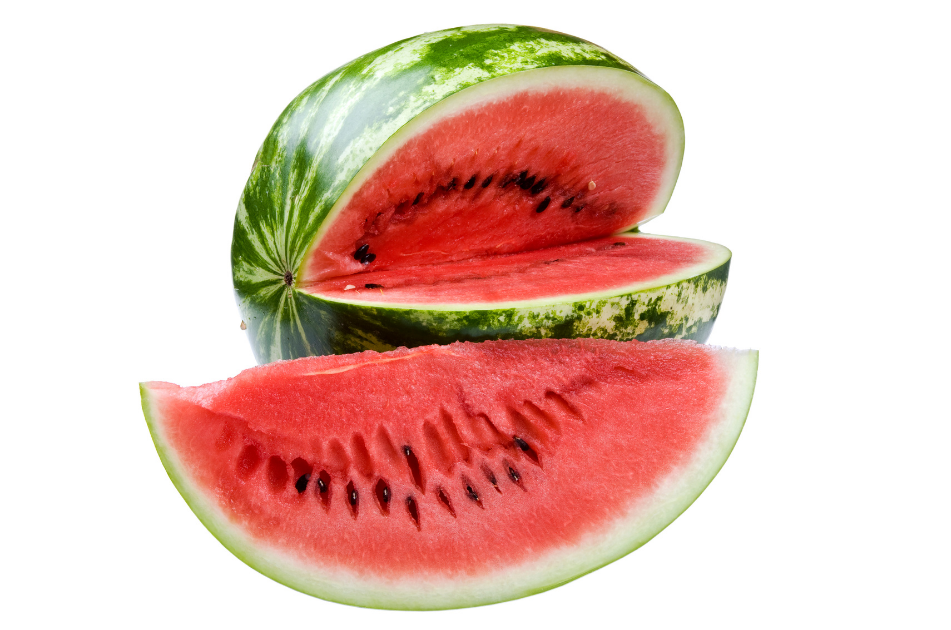
In AHM, foods are described as cooling, neutral, or warming. This classification reflects how a food tends to affect the body's internal temperature and functional state. Cucumbers and watermelon are cooling. Ginger and lamb are warming. Rice and eggs are neutral. This is not about the temperature of the food when you eat it — it describes a pattern of physiological effect that has been documented and refined over centuries of clinical observation.

Flavor

AHM identifies five primary flavors — sweet, sour, bitter, pungent, and salty — and associates each with specific organ systems and physiological functions. Bitter foods, for example, are traditionally associated with clearing heat and supporting circulation. Sour foods are associated with liver function and the movement of energy. Pungent foods are warming and dispersing.

Traditional Functions and Organ System Associations

Each food carries a set of traditional functions: it may nourish blood, support the kidneys, clear dampness, or move stagnant circulation. These are clinical categories — not metaphors — that reflect specific patterns observed, applied, and refined in clinical practice over more than two thousand years.

Five Element Relationships

AHM organizes the body into five interconnected systems — Wood, Fire, Earth, Metal, and Water — each associated with specific organs, seasons, flavors, emotions, and physiological tendencies. Dietary recommendations often consider which elemental relationships are most relevant to a patient's current pattern.

Current Scientific Research

Where clinical studies, nutrition research, or biomedical evidence supports or qualifies a traditional recommendation, we include it. Traditional AHM principles are always presented alongside modern evidence when it is available. Where research is limited or inconclusive, we say so.

Food First. Herbs Second.

When patients come to AcuMed Clinic, we do not start with the most complex intervention available. We start with what is most practical and accessible.

Many of the most powerful medicinal herbs in the AHM tradition are also everyday foods: ginger, garlic, cinnamon, turmeric, pears, goji berries, barley, mung beans, shiitake mushrooms, black sesame seeds. These ingredients sit in grocery store aisles and farmers market bins. They are familiar. They are affordable. And when chosen thoughtfully, they can have a meaningful effect on how you feel.

Whenever appropriate, we recommend specific dietary changes before prescribing herbal formulas. If a patient can achieve meaningful improvement by adjusting what they eat — adding warming, circulation-supporting foods; reducing cold, damp-forming foods; incorporating bitter foods to address systemic heat — that is the simpler, more sustainable starting point.

Herbal formulas remain an important part of AHM care, and they have therapeutic properties that food alone cannot replicate. But food is the foundation. Herbs build on top of it. This sequencing reflects both clinical practicality and a longstanding principle within AHM: do not reach for more than you need.

Your Recommendations Are Based on Your AHM Diagnosis — Not Your Western Presenting Complaint

This is where AHM Food Therapy diverges most clearly from conventional nutrition advice.

In AHM, a Western condition like knee arthritis is a presenting complaint — it tells Dr. Kitt where to start, not what is actually happening. The AHM diagnosis — the clinical finding that drives your treatment and dietary recommendations — might be Cold Damp Bi in the knee, Kidney Yang Deficiency, Blood Stasis in the channels, or another pattern entirely. Two patients who both come in with knee arthritis may have completely different AHM diagnoses, and that is what determines their food plan.

AHM Diagnosis — What We Are Actually Looking For

During your evaluation at AcuMed Clinic, Dr. Kitt identifies your AHM diagnosis — the underlying physiological picture that is actually driving your symptoms. These are not descriptions of where something hurts. They are clinical findings that describe what is happening in the body and why:

Qi Deficiency

Insufficient energy to power normal function; commonly associated with fatigue, weakness, poor digestion, and reduced immunity.

Blood Deficiency

Inadequate nourishment reaching tissues and organs; associated with dryness, numbness, poor sleep, and in some cases neuropathic symptoms.

Yin Deficiency

Depletion of the body's cooling, moistening reserves; associated with heat sensations, night sweats, restlessness, and dryness.

Yang Deficiency

Depletion of the body's warming, activating capacity; associated with cold extremities, low energy, slow metabolism, and fluid retention.

Dampness

Accumulation of metabolic waste and fluid in the tissues; associated with heaviness, swelling, cloudy thinking, and sluggish digestion.

Damp Heat

Dampness combined with heat; associated with inflammation, swelling, skin conditions, and digestive disturbance.

Blood Stasis

Reduced or obstructed circulation; associated with fixed pain, bruising, and certain cardiovascular patterns.

Liver Qi Stagnation

Disrupted flow of energy through the body's regulatory system; associated with tension, irritability, digestive irregularity, and pain that shifts location.

Phlegm

A thicker, more concentrated form of dampness that can affect the respiratory, cardiovascular, and nervous systems; associated with nodules, mental fogginess, and certain cardiovascular patterns.

Heat

Systemic excess heat; associated with inflammation, redness, and irritability.

Cold

Systemic excess cold; associated with constriction, pain that worsens with cold exposure, and poor circulation.

Summer Heat

A seasonal pattern particularly relevant in Florida's climate; associated with dehydration, fatigue, and digestive disturbance during extended heat exposure.

One patient presenting with knee pain may receive an AHM diagnosis of Cold Damp Bi — their food plan emphasizes warming, dampness-resolving foods that support circulation and fluid metabolism. Another patient with the same Western complaint may receive an AHM diagnosis of Kidney Yang Deficiency — warming, tonifying foods become the priority for a different reason entirely. Same presenting complaint. Two different AHM diagnoses. Two different dietary approaches. Both rooted in clinical reasoning.

Condition-Specific Guidance

Food Therapy for the Conditions We Treat

AHM Food Therapy integrates into care plans for a wide range of conditions — from pain and mobility to digestion, cardiovascular health, fatigue, and more. Condition-specific guides are in development and added regularly.

Neuropathy

Burning, tingling, and numbness in the hands and feet — commonly involving Blood Deficiency, Kidney Deficiency, or Blood Stasis patterns. Dietary strategies target nerve tissue nourishment, microcirculation, and systemic inflammation reduction.

Guide in development

Arthritis & Joint Pain

Osteoarthritis, rheumatoid arthritis, and inflammatory joint conditions — most often involving Bi Syndrome combined with Dampness, Wind-Cold, or Damp-Heat. Anti-inflammatory food strategies matched to your specific AHM pattern.

Guide in development

Chronic Inflammation

Systemic inflammation underlying chronic pain, metabolic disease, cardiovascular risk, and autoimmune conditions. AHM pattern analysis refines broad anti-inflammatory guidance to match your individual constitution.

Guide in development

Eating for the Florida Climate

Where you live matters. From an AHM perspective, climate directly influences how the body functions, what patterns are most likely to develop, and what dietary adjustments best support health throughout the year.

Living in Sarasota means prolonged exposure to heat, humidity, and intense sun — particularly from late spring through early fall. This environment tends to promote specific AHM patterns:

Dampness and Damp Heat

Florida's humidity creates external damp conditions that can mirror and reinforce internal dampness. Foods that support the body's ability to process and move fluid are especially relevant here — and foods that generate dampness (heavy, greasy, overly sweet foods) become more problematic.

Summer Heat

A distinct AHM pattern characterized by dehydration, fatigue, and impaired digestive function during periods of high heat exposure. Cooling, hydrating foods and beverages are therapeutic during these months. Certain cooling teas, cucumber, watermelon, and coconut water have been used in this context within AHM practice for centuries.

Yin Deficiency

Chronic heat exposure can deplete the body's cooling reserves over time — a pattern that tends to develop gradually and become more pronounced in older adults. Yin-nourishing foods become increasingly important as Sarasota's summer progresses.

Dietary recommendations at AcuMed Clinic take the season and local climate into account. What supports your health in January is not identical to what supports it in August. Your food plan reflects that reality.

In Development

Seasonal Food Therapy for Sarasota & Southwest Florida

A seasonal resource built specifically for patients living in Florida's climate — aligned with local growing seasons, the AHM patterns most common here, and what you can actually find at a Sarasota-area market.

Seasonal food recommendations

Aligned with Florida's climate and agricultural calendar

Local produce highlights

AHM and nutritional profiles for what grows here

Short educational videos

The reasoning behind specific food choices, in plain language

Practical recipes and meal ideas

Designed for real life — not a wellness magazine

Plain-language research summaries

What the studies actually say about food and pain

Shopping tips

Sarasota-area farmers markets and local grocers

Check back regularly. The library grows with every season.

Food Therapy Library

Explore the Food Therapy Library

Start with the foundations of AHM food classification, or go directly to the pattern-based guides most relevant to your condition.

Thermal Classification

Pattern-Based Guides

Where Research Meets Tradition

AHM Food Therapy is not asking you to choose between ancient wisdom and modern science. At AcuMed Clinic, we present both — side by side.

When a patient asks why we recommend turmeric for joint inflammation, we can answer from two directions. First: curcumin, turmeric's primary active compound, has demonstrated anti-inflammatory effects in multiple randomized controlled trials involving osteoarthritis patients. A 2022 systematic review confirmed that curcumin improves arthritis symptoms and inflammatory markers [PMC9353077], and a head-to-head trial found curcumin comparable in efficacy to diclofenac for knee osteoarthritis with better patient tolerance [PMC6460672]. A broader review of turmeric RCTs found that turmeric preparations are effective in reducing knee osteoarthritis pain when used as monotherapy compared to placebo [PMC7812094]. Second: turmeric has been classified as a warming, blood-moving food in the AHM tradition for more than a thousand years — used specifically for conditions involving stagnation and cold obstruction.

Those two explanations reinforce each other. They describe the same phenomenon from different vantage points. Understanding both gives patients more confidence in their choices and more context when something works — or when it doesn't.

Where modern research supports, qualifies, or challenges a traditional recommendation, we include it in the Food Therapy Library. We also note where research is limited or inconclusive, because intellectual honesty is part of how we practice.

Food Therapy Works Best as Part of a Complete Care Plan

Food therapy is clinically meaningful. It is also not sufficient on its own for most of the conditions we treat.

At AcuMed Clinic, dietary recommendations are integrated into a broader care plan that may also include:

Your food plan does not replace any of these. It works alongside them. In our clinical experience, patients who take their dietary recommendations seriously — who see food as part of their treatment and not just background nutrition — tend to progress faster and maintain their gains longer.

A Library That Grows With You

The AcuMed Clinic Food Therapy Library is a living resource. We add to it continuously — new food entries, condition-specific guides, seasonal recommendations, recipe ideas, video content, and research summaries.

Our goal is to make this the most practical, evidence-informed, and clinically grounded food therapy resource available to patients in Sarasota and Southwest Florida. Not a generic wellness blog. Not a list of superfoods. A real clinical tool — accessible, readable, and specific enough to actually use.

If there is a food, condition, or topic you would like us to cover, reach out. This library is built for patients, and patient questions shape what we build next.

Ready to Put Food to Work?

If you have ever been told to "eat healthier" without receiving any specific guidance — no list of foods, no explanation of why, no connection to what is actually happening in your body — you already know how unhelpful that advice is.

AHM Food Therapy is specific. It connects the food on your plate to the pattern in your body and the condition you are working to address. It is the kind of practical guidance that actually changes what you reach for at the grocery store — and why.

Schedule an appointment at AcuMed Clinic. During your evaluation, Dr. Kitt will identify your AHM pattern and develop a personalized food plan as part of your care. You will leave with recommendations you can put into practice the same day.

Schedule Your Appointment

Or call us directly: 941-250-6911

AcuMed Clinic | Sarasota, FL | www.acumedfl.com

Frequently Asked Questions About Food Therapy

What exactly is food therapy, and how is it different from a regular healthy diet?

Food therapy — as practiced at AcuMed Clinic — is the clinical use of specific foods to support the treatment of a health condition. It differs from general healthy eating advice in two important ways.

First, it is specific to you. The recommendations are connected directly to your AHM diagnosis — the clinical finding that describes what is actually happening in your body — not just your presenting symptoms or a Western condition label.

Second, it is part of a care plan. It does not stand alone. It works alongside acupuncture, herbal medicine, or other treatments to support your overall progress. Think of it as one clinical tool in a broader toolkit rather than a standalone solution.

At AcuMed Clinic, we draw on the principles of Acupuncture and Herbal Medicine (AHM) — a system that has used food therapeutically for centuries — combined with current nutrition science and biomedical research.

Is AHM food therapy the same as TCM nutrition or Chinese dietary therapy?

Yes, in clinical substance. Acupuncture and Herbal Medicine (AHM) is the current designation used by NCCAOM — the National Certification Commission for Acupuncture and Oriental Medicine, which is currently transitioning to NCBAHM, the National Certification Board for Acupuncture and Herbal Medicine — for what has historically been called Traditional Chinese Medicine, or TCM. The underlying clinical system — including its entire approach to food — is the same. The terminology has shifted to reflect a broader scope of Asian medical traditions and updated professional standards.

You may see the terms "TCM nutrition," "Chinese dietary therapy," or "AHM food therapy" used interchangeably across different clinical contexts. At AcuMed Clinic, we use "AHM" to reflect Dr. Kitt's national board certification (Dipl. OM, NCCAOM/NCBAHM) and current professional language. The principles, the food classifications, and the clinical framework are the same regardless of which label you see.

Can food really be considered part of a medical treatment plan?

Yes — and this is not a fringe position. Western medicine has long recognized the role of diet in managing chronic disease. Medical nutrition therapy is a standard clinical intervention for type 2 diabetes, cardiovascular disease, kidney disease, inflammatory bowel disease, and many other conditions. Registered dietitians are licensed healthcare providers whose primary scope of practice is exactly this.

What AHM Food Therapy contributes is a clinically detailed, individualized framework for matching specific foods to a patient's specific underlying pattern — going beyond general dietary guidelines to provide targeted, condition-informed recommendations. This is particularly useful for patients managing chronic pain, neuropathy, arthritis, and other conditions where inflammation, circulation, and systemic balance play a central role.

Why are my food recommendations different from what another patient with the same condition was told?

Because in AHM, a Western condition is a presenting complaint — a starting point — not a diagnosis. Two patients who come in reporting knee pain or digestive problems may have entirely different AHM diagnoses underneath, and it is the AHM diagnosis that drives the food recommendations.

One patient with knee pain may have an AHM diagnosis of Cold Damp Bi. Another may have Kidney Yang Deficiency. A third may have Blood Stasis in the channels. These are three distinct clinical findings that call for three distinct dietary approaches — even though the presenting complaint looks identical from the outside.

This is also why generic diet advice — the "eat more anti-inflammatory foods" instruction that most patients receive — has inconsistent results. It addresses the symptom but not the diagnosis. AHM food therapy addresses both.

Will I need to follow a strict or complicated diet?

No. The goal is practical, sustainable change — not a rigid protocol that adds stress to your life. Stress is itself harmful to health, and an overly restrictive diet that you cannot maintain long-term provides less benefit than a realistic one you can.

Your food recommendations from AcuMed Clinic will be achievable. We prioritize the changes most likely to make the biggest clinical difference for your specific pattern. We build from there as you become comfortable. We take your food preferences, your schedule, your budget, and your access to ingredients into account.

You will not be asked to overhaul your entire diet overnight or follow a plan that makes eating with your family or going to a restaurant impossible. The point is to make food work for you — not against you.

Can food therapy replace acupuncture treatments or herbal medicine?

For most of the conditions we see at AcuMed Clinic, diet alone is not sufficient to resolve the underlying clinical pattern. Food therapy works best as a complement to clinical treatment — not a replacement for it.

Acupuncture, herbal medicine, therapeutic exercise, and other modalities address the condition at different levels and through different mechanisms. Food therapy supports those treatments by creating a consistent internal environment that is less hospitable to the pattern driving your symptoms. Your treatments address the condition directly; your diet determines whether you are working toward recovery every day or working against it.

Where food therapy becomes especially powerful is in the maintenance phase of care. Once your condition is stable and you are no longer in active treatment, what you eat every day becomes one of your most important tools for staying that way. Patients who embrace food therapy in maintenance often find they need clinical visits far less frequently — instead of coming in once a month, it may become once every six weeks, or once every two to three months. Your body, consistently nourished in alignment with your AHM pattern, simply requires less intervention to stay in balance. That is not a small thing. It means fewer appointments, lower long-term costs, and — most importantly — a body that is genuinely working with you rather than against you. Food therapy does not just support your recovery. Over time, it becomes the foundation that keeps you well.

Is there scientific research supporting food therapy for chronic pain and inflammation?

Yes — and the body of evidence is substantial and continues to grow.

Dietary patterns and inflammation. Research consistently supports the role of dietary patterns in modulating systemic inflammation, a central driver of most chronic pain conditions. A 2020 review published in Nutrients found that the Mediterranean diet reduces disease activity and inflammatory markers across multiple non-communicable diseases [PMC7400632]. A 2023 study in Nutrients found a direct correlation between increased anti-inflammatory food intake and reduced pain scores and improved physical function in chronic pain patients [PMC10381948].

Omega-3 fatty acids. A meta-analysis of 17 randomized controlled trials found that omega-3 PUFAs significantly reduce joint pain in rheumatoid arthritis and neck pain [PubMed 17335973]. A 2022 systematic review found omega-3 supplementation effective in relieving pain and improving joint function in osteoarthritis patients [PMC10210278].

Curcumin (turmeric). Multiple randomized controlled trials support curcumin's efficacy in reducing pain and inflammation in osteoarthritis. A 2022 systematic review concluded that curcumin improves arthritis symptoms and inflammatory markers [PMC9353077]. A head-to-head trial found curcumin comparable in efficacy to diclofenac for knee osteoarthritis, with better tolerance [PMC6460672].

Vitamin D. Lower vitamin D levels are consistently associated with increased pain severity and disease activity in rheumatoid arthritis and other chronic pain conditions. A review in Pain and Therapy identified clinical evidence linking vitamin D deficiency to musculoskeletal pain [PMC4470966].

Magnesium. A large population-based study using NHANES data found a significant inverse relationship between dietary magnesium intake and chronic pain prevalence [PMC7400867]. A 2021 review of RCTs found magnesium treatment effective in alleviating fibromyalgia, headaches, dysmenorrhea, and acute migraine [PMC7468697].

At the same time, population-level dietary research cannot tell you what to eat as an individual. That is precisely where individualized, pattern-based food therapy offers something clinical trials cannot: specificity. The research confirms that diet matters. AHM pattern analysis determines what it should look like for you.

Throughout the Food Therapy Library, traditional recommendations are presented alongside relevant research whenever it is available. Where evidence is limited, we say so clearly.
Where can I learn about specific foods and what conditions they support?

The AcuMed Clinic Food Therapy Library is organized by both thermal classification and AHM pattern, so you can start from whichever direction makes the most sense for you.

To start with the fundamentals of how AHM classifies foods:

To go directly to a pattern-based guide:

To browse all 120 foods with thermal nature, organ affinities, and tonification properties:

  • AHM Food Library — All 120 foods from the TCM Diet Atlas, with full clinical profiles

Condition-specific pages covering neuropathy, arthritis, and anti-inflammatory diet guidance are in development. New content is added regularly.

Can I use the Food Therapy Library if I am not a patient at AcuMed Clinic?

Absolutely. The Food Therapy Library is a public educational resource. You do not need to be a current patient to read it, use its recommendations as a starting point, or share it with someone you care about.

That said, the library cannot replace a clinical evaluation. The information we publish is educational — based on common clinical patterns and well-supported AHM principles — but it is not tailored to your individual pattern. What applies to most people with a given condition may not be what is most appropriate for you specifically.

If you want food recommendations that are actually matched to your body and your condition, a clinical evaluation at AcuMed Clinic is where that conversation begins. You can book online at www.acumedfl.com or call our office to schedule.

The library is a doorway. The appointment is what is on the other side of it.