Blood Tonic Foods
Evidence-Based Nutrition Through an AHM Lens
Evidence-Based Nutrition Through an AHM Lens
In Acupuncture and Herbal Medicine (AHM), blood is viewed as more than the fluid that circulates through the body. It is traditionally understood to nourish the tissues, support healthy skin and hair, maintain vision, promote restful sleep, and provide moisture throughout the body.
When blood is insufficient, an AHM practitioner may identify a pattern known as Blood Deficiency. This traditional pattern does not necessarily mean a person has anemia or another blood disorder. Instead, it describes a collection of symptoms that help guide individualized treatment, including dietary recommendations.
Blood tonic foods are traditionally used to nourish and replenish the body's blood. These foods are often rich in nutrients and are commonly included in balanced meals designed to support long-term health rather than provide immediate symptom relief.
Many blood-supporting foods naturally contain iron, folate, vitamin B12, protein, antioxidants, and other nutrients important for healthy blood production and tissue repair.
An active lifestyle requires healthy circulation and adequate nutrition. Whether you're walking along Siesta Key Beach, enjoying the Legacy Trail, gardening year-round, or spending time outdoors in Sarasota's warm climate, your body depends on proper nourishment to recover from daily activity.
Individuals recovering from illness, experiencing prolonged stress, following restrictive diets, or simply not consuming enough nutrient-rich foods may benefit from a dietary pattern that emphasizes foods traditionally used to nourish the blood.
From an AHM perspective, blood-supporting foods may be recommended for individuals experiencing patterns that include the following signs. These symptoms can occur for many reasons and should not be assumed to represent Blood Deficiency. Persistent or severe symptoms should always be evaluated by a qualified practitioner.
Foods traditionally considered supportive of blood. Many of these are excellent sources of iron, protein, B vitamins, antioxidants, and other nutrients that support overall health.
In AHM, supporting the blood involves two related but distinct strategies. Blood builders replenish and nourish. Blood movers help blood circulate efficiently. Your practitioner may recommend foods from one or both categories depending on your individual pattern.
Build healthy Blood
Common Signs
Example Foods
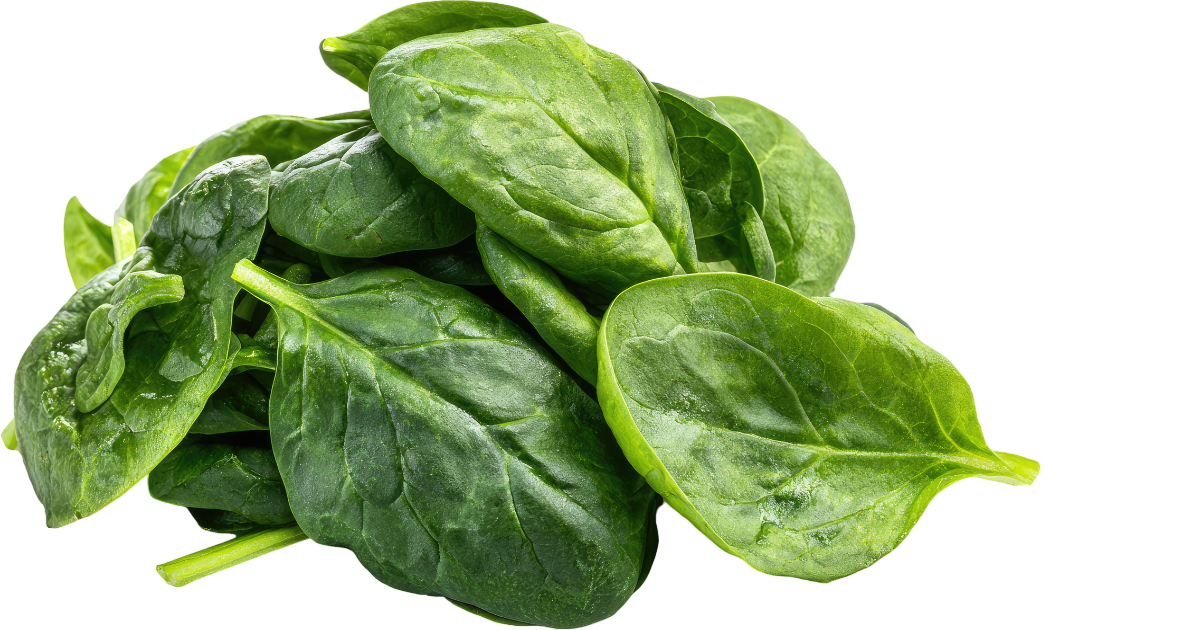
Liver, eggs, spinach, lentils, dark cherries, goji berries
Help Blood circulate efficiently
Common Signs
Example Foods
Beets, garlic, turmeric, berries
Supporting healthy blood begins with everyday eating habits. Small, consistent improvements in dietary quality are often more beneficial than short-term restrictive diets.
Blood tonic foods are generally nutritious everyday foods. However, recommendations should always be individualized. Some people may need to limit certain foods because of medical conditions such as kidney disease, iron overload disorders, food allergies, or other dietary restrictions.
Your healthcare provider can help determine the dietary approach most appropriate for your individual needs.
Modern nutrition research recognizes that adequate intake of iron, folate, vitamin B12, protein, copper, and other nutrients is essential for normal blood cell production and oxygen transport.
While the traditional AHM concept of Blood Deficiency and biomedical frameworks approach blood health through different lenses, many foods historically classified as blood tonics are widely recognized as nutrient-dense foods that contribute to overall health. Current research continues to explore how nutrition supports circulation, tissue repair, immune function, and healthy aging. Both frameworks offer valuable, complementary perspectives on nourishing the body.
“One of the biggest misunderstandings I encounter is that patients assume Blood Deficiency automatically means anemia. From an AHM perspective, those are not the same thing. Some patients with an AHM Blood Deficiency pattern have completely normal laboratory testing, while some people with anemia may not present with what we would call a Blood Deficiency pattern at all. This is one reason food therapy should always be individualized — based on the full clinical picture, not a single symptom or laboratory value.”
At AcuMed Clinic, food therapy is one component of a personalized treatment plan. Depending on your individual needs, dietary recommendations may be combined with:
Every plan at AcuMed is built around your specific health history, goals, and the full clinical picture — not a one-size-fits-all protocol.
No. Blood tonic foods are recommended based on an individual's AHM pattern, not solely on laboratory testing. They are intended to support overall nourishment as part of a comprehensive treatment plan.
No. Iron-deficiency anemia and other blood disorders require proper medical diagnosis and treatment. Food therapy should complement — not replace — medical care.
No. While liver has traditionally been considered a blood-supporting food, many other foods can provide important nutrients for healthy blood production.
You may be more familiar with the terms Traditional Chinese Medicine (TCM) or Oriental Medicine (OM). At AcuMed Clinic, we use Acupuncture and Herbal Medicine (AHM) because it reflects the terminology currently adopted by many organizations within the profession. Regardless of the terminology, the principles used to recommend blood tonic foods remain rooted in the same long tradition of individualized patient care.
Explore foods that support energy, stamina, and metabolic vitality from an AHM perspective.
Learn more →Discover cooling, moistening foods that support rest, recovery, and fluid balance.
Learn more →Learn about warming foods traditionally used to support circulation and metabolic warmth.
Learn more →Return to the full Food Therapy resource center for AcuMed's complete AHM nutrition library.
Learn more →