Grains & Legumes
Kidney beans
红腰豆Yún DòuNutritional Value
4 / 5
Organ Affinities
Tonifies
Therapeutic Properties
Quick Facts
AHM Properties
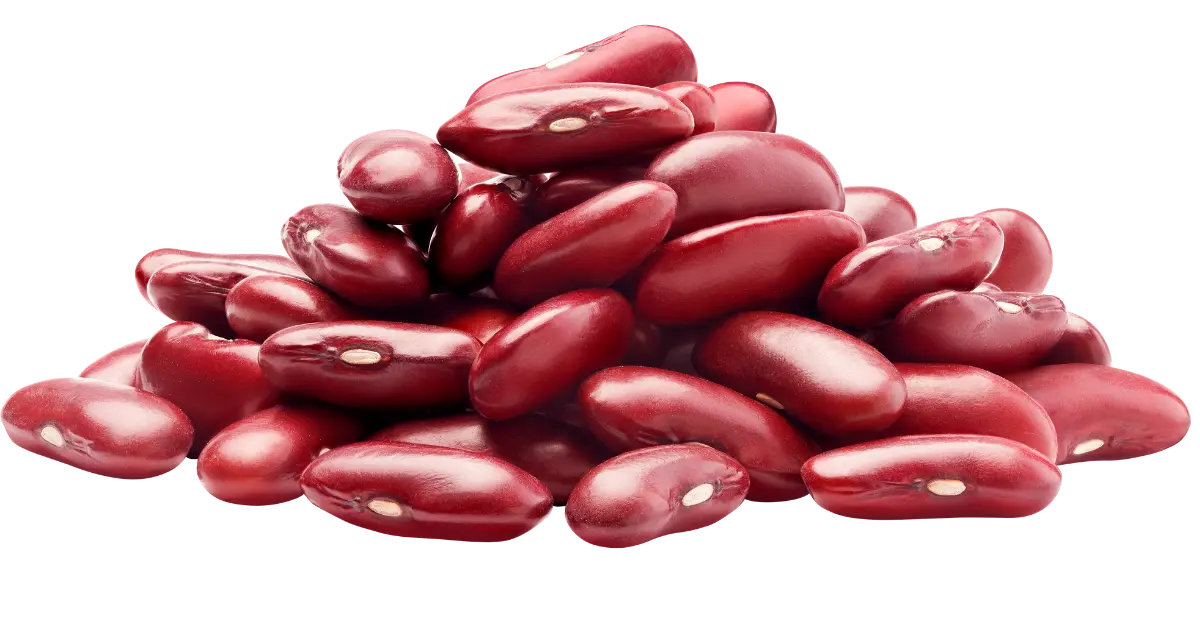
Kidney beans tonify Blood and Yin, and through the doctrine of signatures — their kidney-like shape — are considered especially beneficial for kidney conditions, particularly clearing heat in the Kidneys and addressing water regulation disorders such as edema. They resolve Dampness, promote urination, and regulate water metabolism across the Spleen, Large Intestine, and Small Intestine. Kidney beans also support cardiovascular health by assisting the body in clearing arterial accumulations of fat and cholesterol.
Kidney beans support blood sugar stability and metabolic health through their slow-digesting carbohydrates and fiber, while prebiotic fiber and resistant starch promote colon health. Iron and folate contribute to the prevention of iron-deficiency anemia, and potassium, magnesium, and soluble fiber collectively support cardiovascular function. Their balanced protein and amino acid profile provides sustained energy and assists in maintaining muscle mass.
Contraindications
Use with caution in dry conditions. Raw kidney beans contain phytohaemagglutinin, a naturally occurring toxic lectin; soaking and boiling for a minimum of ten minutes fully neutralizes it. Fully cooked beans carry no risk and retain most of their nutritional value.
Clinically authored and reviewed by Dr. Katrina Chojnicki-Hill, DAOM, AP, Dipl. OM. Cross-referenced against American Dragon Herbs and classical AHM sources. For educational purposes only — consult a qualified AHM practitioner for personalised advice.