AcuMed ClinicPain & Chronic Care

Qi Tonic Foods

In Acupuncture and Herbal Medicine, certain foods have been used for centuries to support Qi — the body's vital energy underlying movement, digestion, and recovery. Qi tonic foods are gentle, nourishing, and easy to digest, providing the steady foundation that supports sustained energy and resilience.

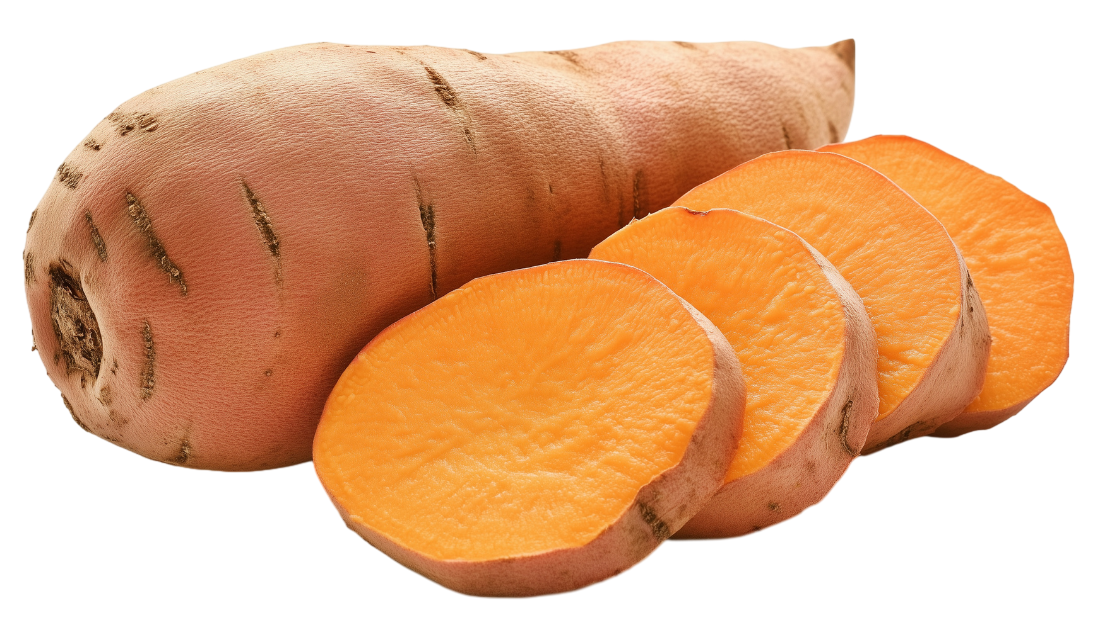
Sweet potato — a Qi tonic food

Food is more than fuel. In Acupuncture and Herbal Medicine (AHM), every food carries specific properties that influence how the body functions — and certain foods have been used for centuries to support Qi, the body's animating vital energy. Qi is not a poetic metaphor. It is a clinical concept that describes the energy underlying movement, digestion, breathing, circulation, and the body's capacity to maintain and repair itself. When Qi is functioning well, people generally feel energized, digest their food without difficulty, breathe easily, and recover from exertion and illness in a reasonable timeframe. When Qi is insufficient, the body signals that something is off.

Within AHM, a pattern of Qi Deficiency is one of the most commonly identified clinical patterns — and one of the most directly responsive to dietary intervention. This does not mean that fatigue, poor appetite, or slow recovery automatically point to a Qi Deficiency pattern. Many Western medical conditions can produce these same presenting complaints, and appropriate medical evaluation should always be sought when symptoms are persistent or severe. What AHM adds to that picture is a parallel lens: an evaluation of how energy is being generated, held, and distributed within the body, and whether targeted dietary changes can support that process. Qi tonic foods are the dietary tool most closely associated with that support.

What Are Qi Tonic Foods?

Qi tonic foods are foods that have been used traditionally in AHM to nourish and build Qi. They are not exotic ingredients or medicinal-grade supplements — they are common, everyday foods that most people already have some familiarity with. What distinguishes them, from an AHM perspective, is their energetic nature: they are generally warm or neutral in thermal quality, easy for the digestive system to process, and capable of providing steady, sustained nourishment rather than a quick burst followed by depletion.

The digestive system occupies a central place in the AHM understanding of Qi generation. The Spleen and Stomach, in AHM clinical language, are the primary organs responsible for extracting Qi from food and transforming it into a form the body can use. Foods that are easy to digest — particularly warm, cooked preparations like soups, stews, porridges, and braised dishes — require less digestive effort and more directly support this process. This is why Qi tonic foods are so often associated with gently cooked, warming meals rather than raw, cold, or heavily processed preparations. The mode of preparation matters as much as the ingredient itself.

It is also worth noting that no single food is a cure for Qi Deficiency, just as no single food causes it. Qi tonic foods work best when they form the consistent foundation of everyday eating rather than being used occasionally as a remedy. The goal is a pattern of nourishment — regular, varied, and aligned with the body's current condition — not a short-term fix. At AcuMed Clinic, Dr. Kitt integrates Qi tonic food recommendations into a broader individualized treatment plan that considers your full AHM pattern, medical history, and practical circumstances.

Why Qi Tonic Foods Matter in Sarasota

Sarasota is a city built around an active lifestyle. Walking Siesta Key Beach, kayaking the mangrove tunnels at Lido Key, golfing year-round at any of the area's courses, cycling the Legacy Trail, or spending weekends at Myakka River State Park all require real energy — not just willingness, but physical stamina, recovery capacity, and the kind of sustained endurance that comes from a well-nourished body. For the many Sarasota residents who have built their lives around staying active, persistent fatigue or low energy is not just inconvenient. It represents a meaningful loss of quality of life.

Sarasota's demographics also matter here. More than 37 percent of Sarasota County's population is 65 or older. This is a population that, from an AHM standpoint, is at elevated risk for Qi Deficiency patterns — not because aging is a disease, but because Qi naturally becomes more precious with age and requires more intentional support. The demands of recovery after illness or injury, the effects of prolonged stress, years of disrupted sleep, or the cumulative impact of managing one or more chronic conditions can all deplete Qi over time. For this population especially, thoughtful dietary choices are not optional extras. They are a meaningful part of maintaining independence, resilience, and engagement with the life they have worked to build.

The Sarasota climate adds a practical dimension as well. Florida's heat and humidity can be genuinely depleting, particularly during the summer months. Excessive heat and perspiration can tax the body in ways that gradually erode energy reserves. Certain Qi tonic foods — particularly whole grains, legumes, and root vegetables — provide the kind of dense, grounding nourishment that helps rebuild what the heat draws out. This does not mean heavy, hot meals in August; it means keeping an adequate, consistent intake of nourishing foods even when the summer heat suppresses appetite or pushes people toward lighter fare. The challenge in Sarasota is not that people avoid Qi tonic foods deliberately — it is that the combination of heat, activity, and a fast-paced lifestyle can create dietary gaps that accumulate gradually and become harder to address as time goes on.

Finally, the region's recent history has added another layer of depletion for many long-term Sarasota residents. Multiple hurricanes in a two-year span — disrupted routines, displacement, financial stress, loss of familiar environments, and the cumulative psychological weight of repeated recovery — constitute exactly the kind of prolonged stress that AHM recognizes as a significant contributor to Qi Deficiency. For people who have been through that, the fatigue they may be feeling is not weakness or lack of motivation. It is a physiological response to sustained demand, and food therapy has a concrete role to play in rebuilding from it.

Common Qi Tonic Foods

The following foods are classified as Qi tonic in AHM dietary tradition. They are organized by food group for practical reference. Individual food pages will eventually link from each name as the AcuMed Clinic Food Therapy Library expands.

Grains

Vegetables and Roots

Legumes

Proteins

Fruits and Nuts

This list represents the foods most consistently identified as Qi tonic across AHM clinical tradition. It is not exhaustive, and individual recommendations will vary depending on your complete AHM pattern, medical history, and personal circumstances. A food that is strongly Qi tonic for one person may not be the best choice for another if secondary pattern considerations are also present.

When Might Qi Tonic Foods Be Recommended?

In AHM clinical practice, Qi tonic foods are most commonly recommended when a practitioner identifies a pattern of Qi Deficiency — a clinical diagnosis based on the whole picture, including intake history, pulse qualities, tongue examination, and a thorough review of presenting symptoms. Observable signs that may suggest a Qi Deficiency pattern include:

Persistent fatigue

Tiredness that is not adequately explained by poor sleep or recent exertion — fatigue that is present even after rest and that does not resolve with a normal night's sleep.

Low stamina

Physical energy that fades quickly with moderate activity; the sense that exertion costs more than it should and recovery takes longer than expected.

Shortness of breath with exertion

Breathlessness that seems disproportionate to the level of activity, particularly when climbing stairs, walking quickly, or engaging in activities that were previously comfortable.

Weak voice or quiet speech

A tendency toward low vocal volume even when effort is made; a voice that tires easily during conversation or presentation.

Poor appetite

Reduced interest in food, a sense of not feeling hungry even when meals are due, or eating becoming a chore rather than a source of pleasure.

Loose stools or digestive discomfort

Digestive irregularity — particularly loose or unformed stools — that follows eating and suggests reduced digestive capacity rather than a specific food intolerance.

Slow recovery

Extended recovery time following illness, surgery, travel, significant stress, or physical exertion — longer than the situation seems to warrant.

General low energy

A pervasive sense of reduced vitality that persists regardless of rest, is not tied to a specific exertion, and affects engagement with daily activities.

These presenting complaints are not, by themselves, a diagnosis. Persistent fatigue, for example, can be associated with thyroid dysfunction, anemia, sleep disorders, depression, cardiovascular conditions, autoimmune disease, and many other Western medical conditions — none of which should be dismissed in favor of an AHM pattern explanation. The appropriate clinical approach is to pursue both evaluations in parallel. At AcuMed Clinic, food therapy recommendations are never offered as a substitute for medical evaluation. They are an additional, evidence-informed layer of support.

Practical Tips for Sarasota Living

Incorporating Qi tonic foods into daily life does not require dramatic changes to the way you eat. The most effective dietary shifts are usually small, consistent, and built around habits that are sustainable in your actual life — not in an idealized version of it.

Eat regular meals — especially breakfast.

The AHM understanding of Qi generation places significant emphasis on the morning meal. The Stomach is considered most active in the early morning hours, and a warm, nourishing breakfast — oatmeal with dates, sweet potato congee, or eggs with whole grain toast — directly supports Qi generation at the time of day when the body is best positioned to use it. Treating breakfast as non-negotiable is one of the simplest and most impactful adjustments you can make.

Choose warm, nourishing meals during recovery.

During periods of illness, recovery from surgery, or acute stress, soups made with chicken or turkey, vegetables, and legumes provide dense, easy-to-digest nourishment that supports recovery without overtaxing the digestive system. Cold, raw, or heavily processed foods place greater demand on digestion at exactly the time when digestive resources are already compromised.

Include adequate protein with each meal.

Qi tonic proteins — eggs, chicken, turkey, lean beef, and legumes — should be distributed across meals rather than concentrated in one large serving. This provides steadier nourishment and reduces the digestive load at any single meal. Avoiding excessive processed foods and refined sugars is equally important, as these require significant digestive resources while contributing little to Qi generation.

Favor warm or room-temperature fluids.

Staying well hydrated matters especially in Florida's heat. In AHM, large quantities of ice-cold beverages can dampen Spleen function in patients with Qi Deficiency patterns. Warm broth, herbal teas, or room-temperature water are generally preferred. This does not mean avoiding cold drinks entirely — it means being mindful of quantity and pattern, particularly during extended outdoor activity.

When Should Qi Tonic Foods Be Used with Caution?

Qi tonic foods are generally well tolerated because most of them are common, familiar foods that are already part of a balanced diet. They are not exotic ingredients with unusual interactions, and for most people, increasing the proportion of whole grains, root vegetables, legumes, and lean proteins represents a straightforwardly positive dietary direction.

That said, individualization always applies. People with food allergies or sensitivities should avoid foods to which they react, regardless of how strongly those foods are classified as Qi tonic. People with diabetes or prediabetes should discuss any significant changes to carbohydrate intake — including increases in sweet potatoes, winter squash, or oats — with their healthcare provider. While these foods have favorable glycemic profiles, they are still carbohydrate-containing foods and changes should be made thoughtfully within the context of overall glucose management.

People with chronic kidney disease should discuss dietary protein changes with their nephrologist, as adjustments to animal protein intake require coordination with renal diet guidelines. People managing digestive disorders — including inflammatory bowel disease or irritable bowel syndrome — may find that certain Qi tonic legumes or whole grains benefit from preparation modifications (soaking, longer cooking, partial blending) to minimize digestive discomfort. AHM preparation traditions — particularly the emphasis on long, gentle cooking — are often directly aligned with what these patients already need.

Research Spotlight

Modern nutrition research has begun to examine many foods traditionally classified as Qi tonic within AHM for their role in sustained energy, metabolic health, and immune function. The following studies offer a window into the scientific evidence behind several of the most commonly recommended Qi tonic foods.

Sweet potatoes are among the most frequently recommended Qi tonic root vegetables in AHM dietary tradition, and modern nutritional research provides meaningful support for their role in sustained energy and metabolic health. A 2019 randomized crossover study by Argyri and colleagues, published in Nutrients, examined the glycemic and insulinemic response of cooked sweet potato compared to white potato and found that sweet potato produced a significantly lower glycemic index response, with more stable postprandial blood glucose — a profile consistent with the steady, gradual nourishment that AHM describes as foundational to Qi support. Read the study (PMID 30691090)

Oats are one of the best-characterized Qi tonic grains, and the research on oat beta-glucan is among the most robust in nutritional science. A 2014 systematic review and meta-analysis by Zhu and colleagues, published in the British Journal of Nutrition, examined the effect of oat beta-glucan on postprandial blood glucose across multiple randomized controlled trials and found that oat beta-glucan supplementation significantly attenuated the postprandial glycemic response, supporting sustained energy availability. The review also noted dose-dependent effects, reinforcing the value of regular, adequate oat consumption rather than occasional use. Read the study (PMID 25267243)

Shiitake mushrooms hold a prominent place in AHM as a Qi tonic food with specific immune-supporting properties. A 2015 clinical study by Dai and colleagues, published in the Journal of the American College of Nutrition, examined the immune effects of daily shiitake mushroom consumption in healthy adults over four weeks. Participants consuming 5–10 grams of dried shiitake daily showed significant improvements in immune cell proliferation, including increased T-cell and natural killer cell activity, reduced C-reactive protein levels, and improved gut immunity markers — findings that align closely with the AHM understanding of shiitake as a food that tonifies both Qi and the body's defensive energy. Read the study (PMID 25866155)

Legumes — including chickpeas and lentils — are cornerstone Qi tonic foods in AHM, and their role in sustained energy metabolism is well documented. A 2012 randomized controlled trial by Mollard and colleagues, published in Applied Physiology, Nutrition, and Metabolism, found that consuming legumes as part of a meal produced significantly lower postprandial blood glucose and insulin responses compared to refined carbohydrate controls, along with greater reported satiety — a sustained-energy profile consistent with AHM's characterization of legumes as deeply nourishing, steadily energizing foods. Read the study (PMID 22616832)

These studies do not prove that Qi tonic foods replace any form of clinical care, nor do they establish that eating sweet potatoes or oats will resolve a Qi Deficiency pattern on their own. They suggest that many of the foods AHM has long identified as Qi supportive carry well-documented nutritional properties — stable glycemic response, immune support, sustained satiety — that are consistent with the clinical effects AHM practitioners have observed across generations.

Dr. Kitt's Clinical Pearl

Clinical Pearl

“One of the biggest misconceptions I see is that people assume feeling tired simply means they need more caffeine. I understand why — caffeine works quickly, and in Sarasota's busy lifestyle, quick fixes are appealing. But from an AHM perspective, fatigue is only one piece of the puzzle. Caffeine borrows energy the body hasn't generated yet, while Qi tonic foods support the body in actually producing more. Some people benefit from Qi-supporting foods; others may have a Yin Deficiency pattern or a Dampness pattern that requires a completely different dietary strategy — and giving those patients Qi tonic foods without addressing the underlying pattern can make things worse. That's why food therapy should always be individualized, always evaluated in the context of the full clinical picture, and never based on a single symptom.”

Frequently Asked Questions

What is Qi?

Qi is a foundational concept in Acupuncture and Herbal Medicine that refers to the vital energy underlying all physiological activity. In practical terms, Qi encompasses the energy that powers movement, digestion, circulation, breathing, immune function, and the body's capacity to heal and maintain itself. It is not a mystical or metaphorical concept within AHM — it is a clinical construct used to evaluate how the body is functioning and where support is needed. Modern biomedical science does not use the term Qi, but the physiological processes it describes — metabolic efficiency, cellular energy production, immune regulation, digestive capacity — are well recognized in Western medicine under different terminology. Many patients find it useful to think of Qi as a kind of operational energy budget: when the budget is sufficient, the body runs well; when it runs consistently low, systems begin to show the strain.

Can Qi tonic foods increase my energy immediately?

Not in the way a cup of coffee might. Qi tonic foods work by supporting the body's underlying capacity to generate energy — not by providing a fast stimulus. The effect is gradual and cumulative. Most people who consistently incorporate Qi tonic foods into their diet notice changes over several weeks rather than after a single meal. This is by design: the goal of Qi tonic foods is to build a more sustainable energy baseline, not to spike and crash. If you are looking for a quick fix, food therapy will feel too slow. If you are looking for a lasting change in how you feel day to day — better stamina, more consistent energy across the day, improved recovery — Qi tonic foods are part of a strategy that can genuinely deliver that. They work best when combined with adequate sleep, managed stress, regular movement, and appropriate clinical care.

Do I need to take special herbs along with Qi tonic foods?

Not necessarily. Qi tonic foods and herbal medicine are complementary but separate tools. Food therapy is appropriate for nearly everyone and can be started without clinical oversight beyond basic dietary guidance. Herbal medicine is a more targeted clinical intervention that requires individualized formulation by a qualified AHM practitioner — it is not something to self-prescribe based on a Qi Deficiency suspicion. At AcuMed Clinic, Dr. Kitt may recommend herbal formulas alongside dietary changes when the clinical picture warrants it, but food therapy is often the first and most sustainable foundation. Many patients see meaningful improvement from dietary changes alone, particularly when those changes are consistent and well matched to their AHM pattern. Herbal medicine adds a layer of more direct, concentrated support when food therapy alone is not sufficient.

Why does AcuMed use the term AHM instead of TCM or Oriental Medicine?

AHM — Acupuncture and Herbal Medicine — reflects the current professional terminology being adopted by the national certifying body for this field. Patients may encounter the terms TCM (Traditional Chinese Medicine), Oriental Medicine, or AHM in different clinical settings — and all of these terms refer to the same broad body of medical knowledge, developed over thousands of years, refined through generations of clinical practice, and now licensed and regulated in states across the United States.

The terminology is changing for two clear reasons. First, "Oriental" is widely recognized as an outdated and often offensive term, and health care professions across the board are moving away from it. Second, "Herbal Medicine" more accurately captures the full scope of the clinical discipline — which includes rigorous training in botanical pharmacology and formulation as a distinct and demanding specialty — compared to "Chinese Medicine," which can feel geographically limiting to patients who may not realize this system of medicine has been practiced globally and continues to be developed by practitioners across many cultural contexts.

The change is formal and institutional: NCCAOM — the National Certification Commission for Acupuncture and Oriental Medicine, the primary national certifying body — is currently transitioning to NCBAHM, the National Certification Board for Acupuncture and Herbal Medicine. Dr. Kitt holds Dipl. OM from NCCAOM, which will transition to Dipl. AHM from NCBAHM once that process is complete. At AcuMed Clinic, we use AHM in all patient-facing materials to stay aligned with the professional direction of the field and to use language that accurately reflects what we do.

Is a Qi Deficiency pattern something I can diagnose myself?

It is reasonable to suspect a Qi Deficiency pattern if you recognize the signs described on this page — persistent fatigue, low stamina, poor appetite, slow recovery — but self-diagnosis within AHM carries real limitations. AHM pattern identification is based on the synthesis of multiple clinical findings: pulse qualities, tongue appearance, full symptom history, constitution, and the interplay between multiple simultaneous patterns. A practitioner may find that what looks like Qi Deficiency from the outside is actually Yin Deficiency, Dampness accumulation, or a mixed pattern involving several clinical diagnoses at once — each of which requires a different dietary and therapeutic approach. Treating a Dampness pattern with strongly Qi tonic foods, for example, can make Dampness worse. This is why AHM food therapy is most effective when it is individually tailored by a qualified practitioner rather than applied based on a single presenting symptom. The information on this page is educational — it is a starting point for conversation with Dr. Kitt, not a substitute for a clinical evaluation.

Explore More

How This Fits Into Your Care at AcuMed Clinic

Food therapy is one component of a comprehensive, individualized treatment plan at AcuMed Clinic — not a stand-alone program. Dr. Kitt integrates dietary guidance with the full range of AHM clinical tools available at the clinic, which may include acupuncture, electroacupuncture, trigger point therapy, laser and ultrasound therapy, herbal medicine, therapeutic exercise guidance, and lifestyle counseling. Dietary recommendations are tailored to your complete AHM pattern, your current medical diagnoses, your medications, your practical lifestyle, and your personal health goals.

Whether you are managing chronic pain, a chronic illness, a digestive condition, or simply looking to build more sustained energy and resilience, the food therapy guidance you receive at AcuMed Clinic is designed to work in coordination with your other care — not as a replacement for it. If you are curious about whether food therapy is right for you, the first step is a clinical appointment with Dr. Kitt.

AcuMed Clinic Pain and Chronic Care

Sarasota, FL

Phone: 941-250-6911
Book an Appointment