Nuts & Seeds
Chestnut
栗子Nutritional Value
4 / 5
Organ Affinities
Tonifies
Therapeutic Properties
Quick Facts
AHM Properties
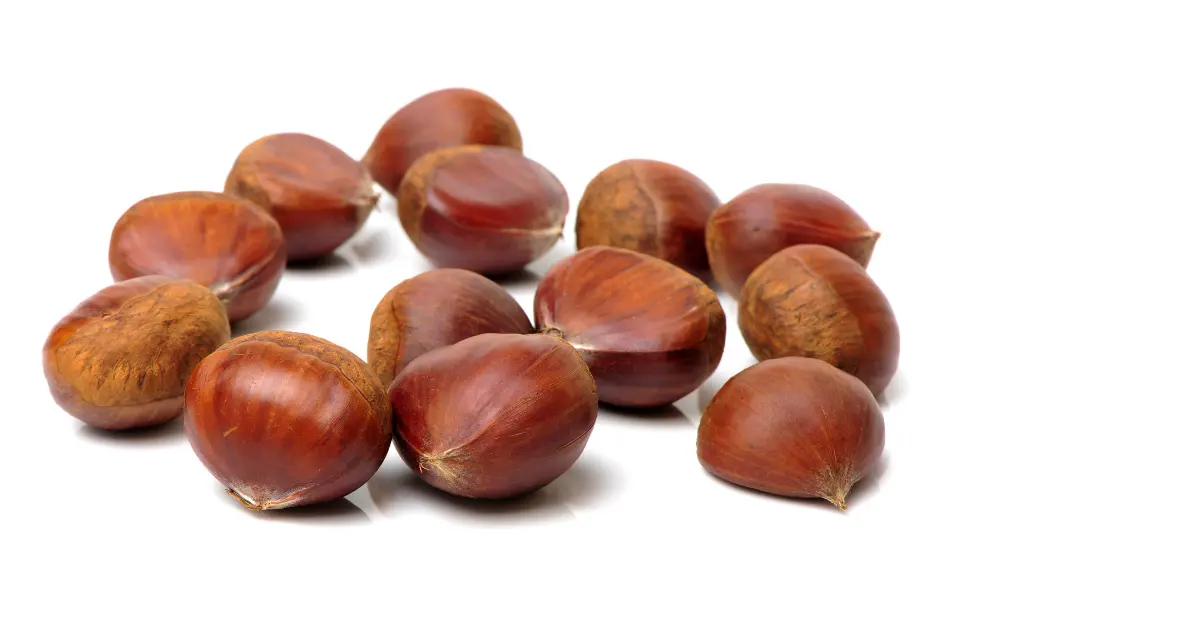
Chestnut stands apart from other nuts with its warm nature and deep affinity for the Kidneys. In AHM, it builds Kidney Yang, supports the tendons and bones, and warms the Spleen to promote healthy digestion. Traditional practitioners have long considered it a longevity food, and it is especially useful in winter as a Yang-warming support and for cold-pattern pain in the lower back and knees.
Chestnuts contain tannins and quercetin with mild anti-inflammatory activity that supports their AHM function of warming and tonifying the Kidneys and Spleen while nourishing tendons and sinews.
Contraindications
Avoid excess in digestive weakness, damp patterns, or those prone to abdominal bloating.
Clinically authored and reviewed by Dr. Katrina Chojnicki-Hill, DAOM, AP, Dipl. OM. Cross-referenced against American Dragon Herbs and classical AHM sources. For educational purposes only — consult a qualified AHM practitioner for personalised advice.