A walk on Lido Beach should feel relaxing, not like every step is a negotiation with your heel. Learn about plantar fasciitis causes and drug-free treatment options in Sarasota.
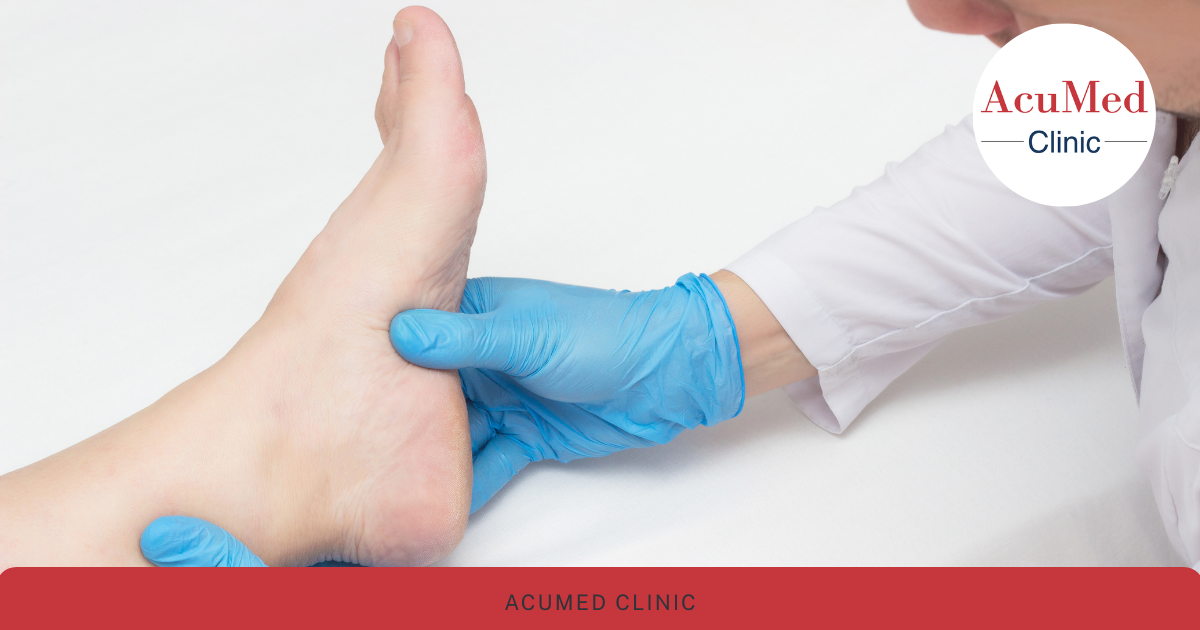
A walk on Lido Beach should feel relaxing, not like every step is a negotiation with your heel.
For many Sarasota residents, plantar fasciitis starts quietly. The first few steps out of bed feel sharp. Walking barefoot across tile becomes uncomfortable. A short errand, a round of golf, or a walk through the neighborhood starts to feel harder than it should.
At first, many people try to ignore it. They change shoes, stretch a little, roll the bottom of the foot on a ball, or hope it will calm down on its own. Sometimes it does. But when heel pain keeps coming back, it can begin to affect more than your foot. It can change how you walk, how much you move, how confident you feel, and how connected you stay to the activities you enjoy.
Plantar fasciitis is common, but that does not mean it should be brushed aside. Persistent heel pain is your body's way of asking for a closer look.
What Is Plantar Fasciitis?
Plantar fasciitis is one of the most common causes of heel pain. It involves irritation of the plantar fascia, a strong band of connective tissue that runs along the bottom of the foot from the heel toward the toes.
The plantar fascia helps support the arch of the foot and absorbs stress when you stand, walk, and move. When that tissue becomes overloaded, irritated, or sensitive, pain often develops near the bottom of the heel.
People often describe plantar fasciitis pain as sharp, stabbing, bruised, tight, burning, or pulling along the arch — and it is typically worse with the first steps after rest.
The classic pattern is heel pain with the first steps in the morning or after sitting for a while. The pain may ease once you move around, then return after walking, standing, exercising, or spending time on hard surfaces.
For active Sarasota patients, symptoms may show up during beach walks, pickleball, golf, tennis, gardening, travel, errands, or walking the dog around the neighborhood.
Why Plantar Fasciitis Happens
Plantar fasciitis usually develops from a combination of stress, tissue sensitivity, foot mechanics, and movement patterns. It is not always caused by one single injury.
Common contributors include:
- Sudden increases in walking or exercise
- Long periods of standing
- Walking barefoot on hard floors
- Unsupportive shoes or worn-out sandals
- Tight calf muscles
- Limited ankle mobility
- High arches or flat feet
- Changes in gait or balance
- Increased activity after a period of rest
- Repetitive stress from golf, pickleball, tennis, or work
- Compensation from knee, hip, back, or ankle pain
Soft sand can also be a factor. Beach walking may feel gentle, but uneven sand asks the foot, ankle, calf, hip, and balance system to work harder. For someone with an irritated plantar fascia, a long beach walk can sometimes trigger a flare.
That does not mean you have to give up walking forever. It means your foot may need a more thoughtful plan before you push back into longer distances.
How Heel Pain Can Affect Life in Sarasota
Plantar fasciitis is not just a foot problem. It can change how you move through your day.
When your first steps out of bed hurt, your morning starts differently. When grocery shopping, walking through a parking lot, or standing in the kitchen becomes uncomfortable, daily life starts to feel smaller. Many people begin skipping walks, avoiding social plans, cutting back on exercise, or changing their routine around their pain.
For active-aging adults, mobility is closely connected to independence. Heel pain may affect walking tolerance, balance and confidence, exercise consistency, golf, pickleball, tennis, and recreation, travel and sightseeing, sleep and morning routines, mood and motivation, and social activities.
Many people with plantar fasciitis also begin changing how they walk to avoid pressure on the painful heel. Over time, that compensation can contribute to tension in the calf, knee, hip, or low back.
That is why care should not focus only on where it hurts. A useful plan should consider how the foot, ankle, calf, and whole body are working together.
Drug-Free, Non-Surgical Options for Plantar Fasciitis
Many patients with plantar fasciitis want conservative options before considering more invasive care. Depending on the patient, a treatment plan may include footwear changes, activity modification, stretching, strengthening, manual therapy, and other supportive strategies.
At AcuMed Clinic - Pain & Chronic Care in Sarasota, care is individualized. We look at your symptoms, health history, activity goals, mobility, and how heel pain is affecting your daily life.
For plantar fasciitis and heel pain, a conservative care plan may include:
- Medical Acupuncture
- Medical Massage / Myofascial Release
- Trigger Point Injection Therapy, when appropriate
- Therapeutic exercise
- Stretching and mobility work
- Footwear and activity guidance
- Supportive home-care strategies
Not every service is right for every patient. The best approach depends on evaluation, clinical findings, and your goals.
How Medical Acupuncture May Help Plantar Fasciitis
Medical acupuncture is a conservative, drug-free therapy that may help support pain modulation, circulation, muscle relaxation, and nervous system regulation.
For plantar fasciitis, care may focus not only on the heel, but also on related areas such as the arch, calf, ankle, Achilles region, and lower leg. This matters because heel pain often involves more than one irritated structure or movement pattern.
Medical acupuncture may support pain regulation, local circulation, muscle relaxation in the calf and foot, reduced guarding around painful areas, improved comfort with walking, and a broader plan for mobility and function.
The goal is not to force the foot to push through pain. The goal is to support a better environment for movement and recovery so you can work toward returning to the activities that matter to you.
How Medical Massage and Myofascial Release May Help
Medical massage and myofascial release are hands-on clinical therapies focused on soft-tissue tension, fascial restrictions, trigger points, and mobility limitations.
With plantar fasciitis, the calf muscles, Achilles region, plantar fascia, and small muscles of the foot may all be involved. Tightness in the calf can increase stress through the heel and arch. Guarding from pain can also change how the foot meets the ground.
Medical massage and myofascial release may help support reduced calf and foot tension, improved ankle and foot mobility, less soft-tissue sensitivity, better movement comfort, improved walking tolerance, and reduced compensation through the knee, hip, or low back.
This is not spa massage. Therapeutic bodywork at AcuMed is targeted, clinical, and coordinated with your broader pain and mobility goals.
When Trigger Point Injection Therapy May Be Considered
Trigger point injection therapy may be considered for selected patients with persistent myofascial pain or localized trigger points that contribute to symptoms.
Some patients with plantar fasciitis also have stubborn calf tightness or lower-leg trigger points that affect how they walk. In these cases, trigger point injection therapy may be discussed as part of an individualized care plan.
Appropriateness depends on evaluation by a qualified medical provider, your health history, and the specific clinical picture. When appropriate, the goal is to help address localized muscle tension or myofascial pain that may be interfering with comfort and function.
What You Can Do at Home Without Making It Worse
Many people try to stretch, roll, ice, or walk through plantar fasciitis. Some strategies may help, but aggressive self-treatment can sometimes make symptoms more sensitive.
General supportive steps may include:
- Wearing supportive shoes indoors and outdoors
- Avoiding long barefoot walks on hard floors
- Temporarily reducing painful walking distances
- Choosing flatter, more predictable walking surfaces during flares
- Gently stretching the calf and foot without forcing pain
- Taking a short break from activities that clearly flare symptoms
- Gradually returning to beach walks instead of jumping back into long distances
- Paying attention to how symptoms respond the next morning
If pain keeps returning, it may be time to stop guessing and have the foot evaluated.
Seek care sooner if heel pain is severe, worsening, associated with swelling, numbness, trauma, throbbing, difficulty bearing weight, or if you are limping or changing your walking pattern.
Insurance Coverage for Plantar Fasciitis Treatment
Insurance coverage depends on your plan, diagnosis, medical necessity, authorization requirements, and the services provided.
AcuMed Clinic may work with payer pathways including Blue Cross Blue Shield, UnitedHealthcare, VA Community Care, community or cash-pay options, and Medicare enrollment in progress. Patients should verify benefits before the first visit. AcuMed can help review available benefits, but final coverage and out-of-pocket costs are determined by the insurance carrier.
For patients using VA Community Care, referral and authorization requirements may apply. Veterans who want care paid through VA Community Care generally need authorization from their VA care team before scheduling.
Frequently Asked Questions
What does plantar fasciitis feel like?
Plantar fasciitis often causes sharp heel pain, especially with the first steps in the morning or after sitting. Some people also feel arch tightness, pulling, soreness, or throbbing after activity.
Why does my heel hurt more in the morning?
After resting overnight, the plantar fascia and calf can feel stiff and sensitive. The first steps of the day suddenly load the heel and arch, which may trigger pain.
Can beach walking make plantar fasciitis worse?
It can for some people. Soft, uneven sand makes the foot, ankle, and calf work harder. During a flare, that extra demand may irritate symptoms.
Can acupuncture help plantar fasciitis?
Medical acupuncture may help support pain modulation, circulation, muscle relaxation, and nervous system regulation. It can be part of a broader conservative care plan for some patients with plantar fasciitis.
Is massage helpful for heel pain?
Medical massage and myofascial release may help address calf, foot, and fascial tension that can contribute to plantar fasciitis symptoms. Treatment should be clinical and tailored to the patient's presentation.
Should I stop walking if I have plantar fasciitis?
You may need to modify walking rather than stop completely. Shorter walks, supportive shoes, flatter surfaces, and avoiding painful distances during flares may help while you work toward recovery. If symptoms are persistent or worsening, an evaluation can help guide a safer plan.
When should I seek care for heel pain?
Seek care if heel pain persists, worsens, causes limping, limits daily activities, or is associated with numbness, swelling, trauma, throbbing, or difficulty bearing weight.
Ready to Take a Closer Look?
If plantar fasciitis is keeping you from beach walks, golf, errands, exercise, or simply starting your morning comfortably, it may be time to look beyond temporary fixes.
At AcuMed Clinic - Pain & Chronic Care in Sarasota, FL, we provide evidence-informed, non-surgical, drug-free care for pain, mobility challenges, and active aging. Your care plan is designed around you as an individual, not just a diagnosis.
Learn more about our plantar fasciitis treatment approach or contact AcuMed Clinic to learn whether our conservative care options may be appropriate for your heel pain.
Ready to Get Back on Your Feet in Sarasota?
AcuMed Clinic opens soon in Sarasota. Dr. Kitt treats plantar fasciitis and heel pain with drug-free, non-surgical approaches — so you can get back to beach walks, golf, errands, and everything that matters.
(941) 250-6911
We accept BCBS, UHC, VA Community Care, and are enrolling with Medicare. Community acupuncture — a 30-minute shared-room appointment with full intake and treatment included — is also available.