Beverages & Teas
Ginger tea
生姜茶Nutritional Value
4 / 5
Organ Affinities
Tonifies
Therapeutic Properties
Quick Facts
AHM Properties
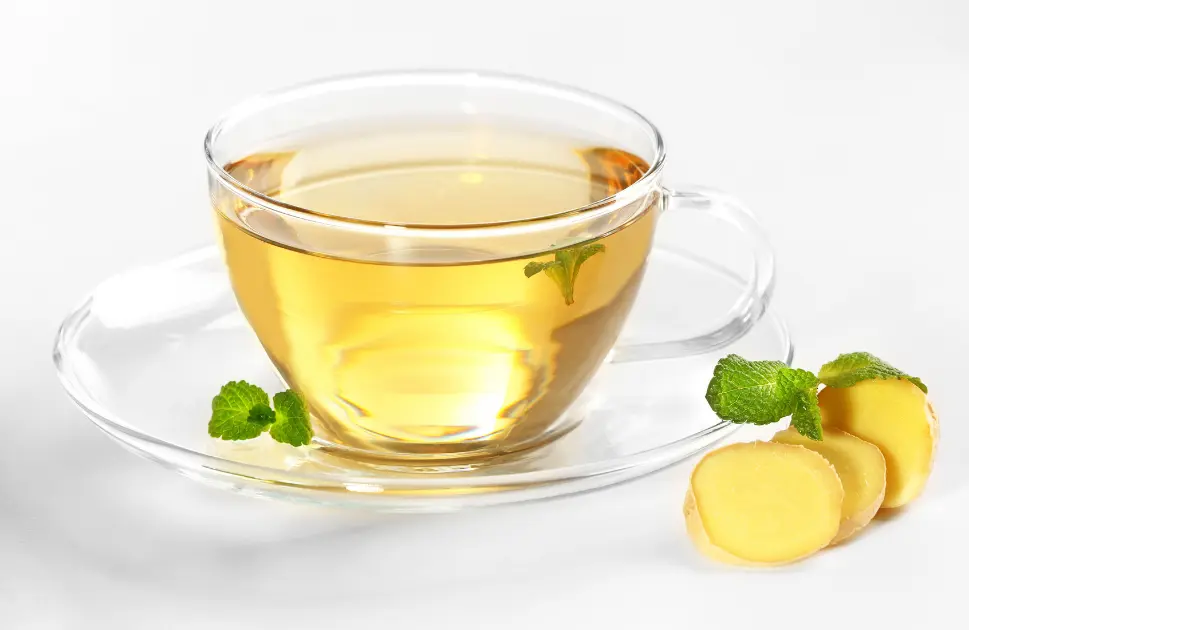
Ginger tea is prepared from fresh ginger (Sheng Jiang) — the same rhizome used in cooking — unless it forms part of a prescribed herbal formula, in which case dried ginger (Gan Jiang) may be specified instead. Steeped from the fresh root, it warms the Middle Burner, settles nausea, supports the Lungs during cold and damp seasons, and gently moves Qi. Its character shifts with what you add: honey soothes the throat and adds a gentle moistening quality; brown sugar warms the uterus and supports Blood circulation for cold-type dysmenorrhoea; lemon adds a sour quality that helps release the Exterior. It is one of the first preparations we teach patients to make at home — simple, targeted, and effective when matched to the right pattern.
Ginger tea delivers gingerols and shogaols that inhibit prostaglandin synthesis through mechanisms similar to NSAIDs; it is one of the most widely researched natural remedies for pain management, particularly effective for cold-type joint, abdominal, and menstrual pain.
Contraindications
Not appropriate where there is spontaneous sweating from a weakened Exterior — fresh ginger promotes outward dispersion and will worsen fluid loss. Avoid when Heat is present in the Lungs, as its warming, acrid character will aggravate the condition. Do not use when vomiting arises from Stomach Heat rather than Stomach Cold — ginger warms the Middle and will drive the heat further. Avoid in Yin deficiency with heat signs, where its drying, mobilizing nature depletes moisture that is already insufficient.
Clinically authored and reviewed by Dr. Katrina Chojnicki-Hill, DAOM, AP, Dipl. OM. Cross-referenced against American Dragon Herbs and classical AHM sources. For educational purposes only — consult a qualified AHM practitioner for personalised advice.