Grains & Legumes
White rice
白饭BáifànNutritional Value
3 / 5
Organ Affinities
Tonifies
Therapeutic Properties
Quick Facts
AHM Properties
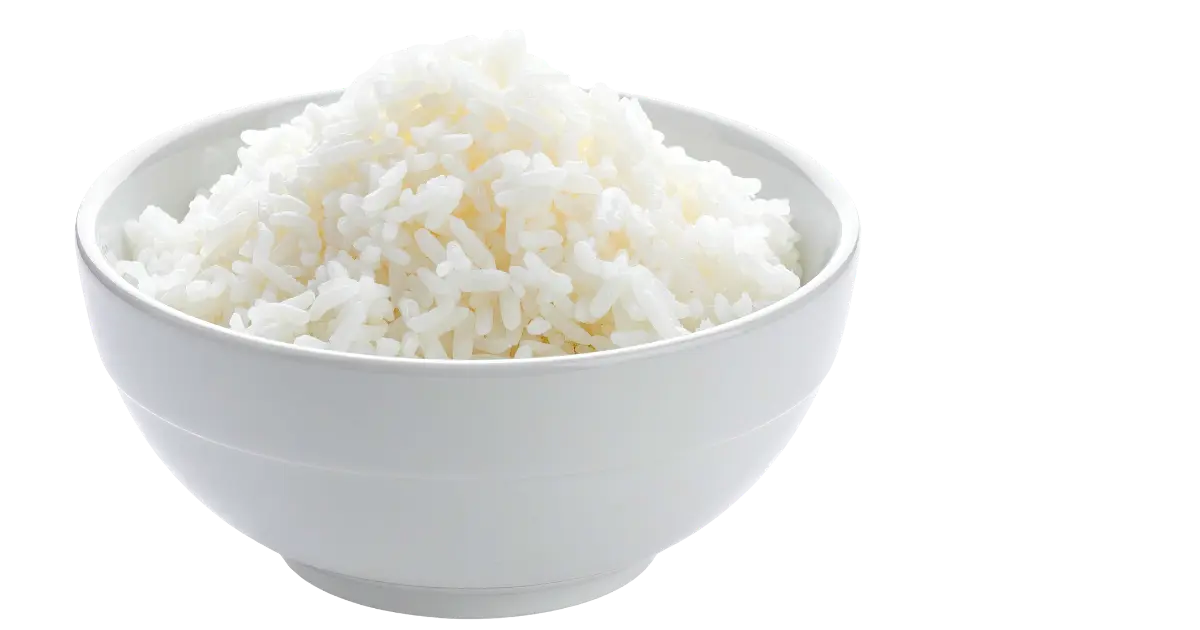
White rice is the foundational Spleen and Stomach Qi tonic grain that has nourished Asian cultures for thousands of years, prized in AHM for its ability to remove toxins, alleviate irritation from summer heat, replenish the body, and stabilize digestion. It is gentle, easy to assimilate, and broadly balancing — well-tolerated by all constitutional types and especially beneficial during recovery from illness. Although less nutrient-dense than brown rice, its ease of digestibility makes it the better choice for those with weakened Spleen function.
Enriched white rice provides thiamin (B1), niacin (B3), folate (B9), and iron added back during the enrichment process. The outer bran and germ are removed during milling, making it more digestible but lower in nutrients than brown rice; its high glycemic index means it raises blood sugar relatively quickly, making it best suited for those with strong digestive function or increased energy needs.
Contraindications
Moderate consumption is advised in patterns of severe Dampness or Phlegm accumulation, as overconsumption can burden a weak Spleen and worsen internal dampness or sluggishness. Use caution in Damp-Heat or Qi stagnation patterns tied to metabolic syndrome. Note: sticky and glutinous rice varieties are distinct from standard white rice and are contraindicated in acute digestive distress, recovery from sores or fractures, or conditions with thick mucus or phlegm.
Clinically authored and reviewed by Dr. Katrina Chojnicki-Hill, DAOM, AP, Dipl. OM. Cross-referenced against American Dragon Herbs and classical AHM sources. For educational purposes only — consult a qualified AHM practitioner for personalised advice.